
Technology2026.08.09·7 MIN READ
The Pioneering Leap: A Comprehensive Guide to Building Your First AI Chatbot
A
Anmol
Lead AI Researcher
Introduction
The advent of artificial intelligence (AI) has ushered humanity into an era of unprecedented technological advancement. Among the myriad applications of AI, chatbots have emerged as a pivotal innovation, revolutionizing the way humans interact with technology. The concept of building a chatbot, once confined to the realm of science fiction, has become a tangible reality, thanks to advancements in Python programming, Node.js, and React. As we delve into the world of AI chatbots, it's essential to understand the historical context, technical intricacies, and future implications of this groundbreaking technology. The journey to creating a sophisticated AI chatbot begins with a profound understanding of machine learning and natural language processing (NLP). For instance, OpenAI has been at the forefront of AI research, pushing the boundaries of what is possible with AI. A recent article on Artificial Intelligence Unleashed: Transformative Breakthroughs of 2023 highlights the rapid evolution of AI capabilities, setting the stage for the development of more advanced chatbots. Moreover, the impact of AI on business automation, as discussed in Revolutionizing Business Automation: The Pervasive Impact of AI Agents in 2026, underscores the significance of integrating AI chatbots into modern business strategies.
Background, Evolution & Genesis
The concept of chatbots has its roots in the early days of computing, with the first chatbot, ELIZA, developed in 1966. However, it wasn't until the rise of TypeScript and Next.js that chatbot development became more accessible and efficient. The evolution of chatbots has been marked by significant milestones, including the introduction of Llama 3 and Gemini, which have pushed the boundaries of AI capabilities. According to a report by TechCrunch, the planned Amazon data center could become the biggest climate polluter in the U.S., highlighting the need for sustainable AI practices. The development of AI chatbots is intricately linked with the advancements in machine learning and deep learning. Companies like Mistral AI and Google DeepMind are at the forefront of AI research, continuously pushing the boundaries of what is possible with AI. As discussed in Navigating Economic Trends: The Shifting Tides of Global Business Dynamics, the economic implications of AI chatbots are far-reaching, with the potential to revolutionize industries and transform the way businesses interact with customers.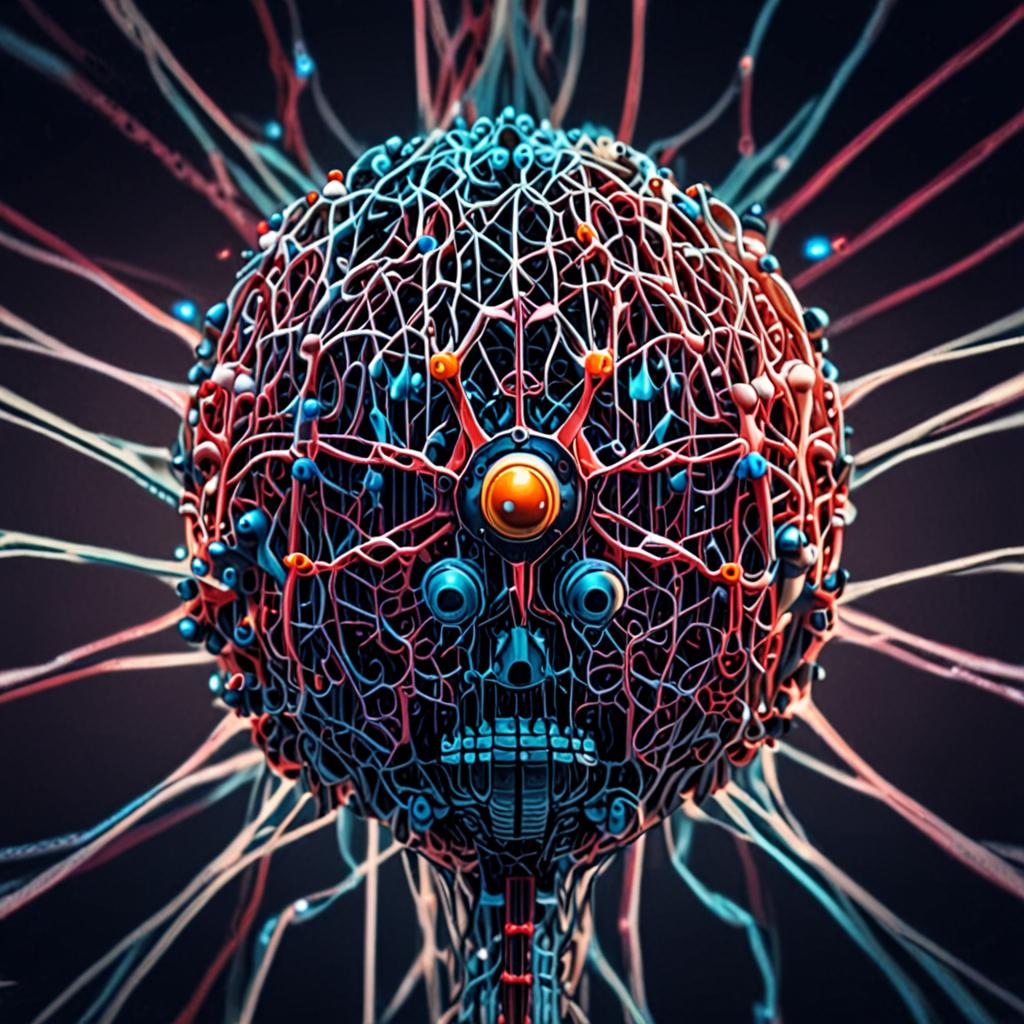
Strategic Deep Dive & Technical Analysis
Building an AI chatbot requires a deep understanding of the technical intricacies involved. The process begins with the selection of a suitable programming language, such as Python or TypeScript, and a framework like Next.js or React. The choice of Node.js as the runtime environment is also crucial, as it enables the chatbot to handle multiple conversations simultaneously. Furthermore, the integration of NLP libraries, such as NLTK or spaCy, is essential for the chatbot to understand and respond to user input. A critical aspect of chatbot development is the design of the conversation flow, which determines the chatbot's ability to engage users and provide relevant responses. This involves creating a state machine that can navigate through different conversation states, using decision trees or Markov chains to determine the next response. The implementation of machine learning algorithms, such as supervised learning or reinforcement learning, can further enhance the chatbot's performance and adaptability.
Global Market & Sociopolitical/Economic Implications
The impact of AI chatbots on the global market is multifaceted, with far-reaching implications for industries, economies, and societies. The integration of chatbots into customer service departments can significantly reduce operational costs, while improving response times and customer satisfaction. According to a report by Gartner, the use of chatbots in customer service can lead to a reduction of up to 30% in support queries, resulting in substantial cost savings. Moreover, the use of chatbots in e-commerce platforms can enhance the shopping experience, providing users with personalized recommendations and support. The societal implications of AI chatbots are equally significant, with the potential to revolutionize the way humans interact with technology. The development of voice user interfaces (VUIs) has enabled chatbots to interact with users through voice commands, making them more accessible and user-friendly. Furthermore, the integration of chatbots into healthcare systems can provide patients with personalized support and guidance, improving health outcomes and patient satisfaction.Technical Challenges, Limitations & Neural Outlook
Despite the significant progress made in chatbot development, there are still several technical challenges and limitations that need to be addressed. One of the major challenges is the lack of common sense in chatbots, which can lead to inappropriate or irrelevant responses. Furthermore, the explainability of chatbot decisions is a significant concern, as it is essential to understand the reasoning behind their responses. The future of chatbot development is closely tied to advancements in artificial general intelligence (AGI), which has the potential to revolutionize the way chatbots interact with humans. The development of neural networks and deep learning algorithms will continue to play a crucial role in chatbot development, enabling them to learn and adapt to new situations.Final Authoritative Verdict & Synthesis
In conclusion, building an AI chatbot is a complex and multidisciplinary endeavor, requiring a deep understanding of technical, societal, and economic factors. As we move forward in this era of technological advancement, it is essential to prioritize the development of responsible and transparent AI practices, ensuring that chatbots are designed to augment human capabilities, rather than replace them. The future of chatbot development holds immense promise, with the potential to revolutionize industries, transform societies, and redefine the way humans interact with technology. As we embark on this journey, it is crucial to remain cognizant of the challenges and limitations that lie ahead, working together to create a future where AI chatbots enrich human life, without compromising our values and principles.> Terminal Output (Comments)
terminal_v1.0
$