
Technology/Business2026.08.08·9 MIN READ
Revolutionizing Business Automation: The Pervasive Impact of AI Agents in 2026
A
Anmol
Lead AI Researcher
Introduction
The world is witnessing a profound shift in the way businesses operate, driven by the pervasive adoption of Artificial Intelligence (AI) and its applications in automation. AI agents, capable of performing tasks that typically require human intelligence, such as learning, problem-solving, and decision-making, are at the forefront of this transformation. The impact of AI on business is multifaceted, affecting not just operational efficiency but also strategic decision-making and innovation. As we navigate the complexities of the 21st century, understanding the role of AI agents in business automation is crucial for both corporations and individuals seeking to remain competitive in a rapidly changing landscape. For a deeper dive into the economic trends that are shaping global business dynamics, previous analyses have provided valuable insights. The integration of AI into business operations is not a new phenomenon, but its acceleration and depth of penetration have reached unprecedented levels. Companies are no longer just using AI for rudimentary tasks; they are leveraging it to overhaul their business models, creating new products, services, and entirely new markets. The rise of Artificial Intelligence and Machine Learning has given birth to a new era of intelligent automation, where AI agents can autonomously manage complex processes, learn from data, and adapt to changing conditions.
Background, Evolution & Genesis
The journey of AI agents in business automation has been long and arduous, with roots tracing back to the early days of computer science and the first experiments with Python programming language for AI. Over the years, the field has evolved through several phases, from the initial enthusiasm and subsequent disillusionment of the 1980s to the current era of resurgence and rapid advancement. The development of React and Node.js has also played a crucial role in the advancement of web development, thereby influencing AI-powered web applications. The 21st century has seen an exponential increase in computing power, data storage, and, most importantly, the availability of vast amounts of data. This has provided the perfect storm for the development and deployment of AI technologies. Companies like OpenAI, Google DeepMind, and Meta AI have been at the forefront of AI research and application, with recent developments such as OpenAI's Astra model highlighting the race towards more sophisticated AI systems. For businesses, the adoption of AI is no longer a choice but a necessity to stay ahead in the competitive landscape. As highlighted in discussions on the era of intelligent industry, the convergence of AI and technological advancements is redefining operational efficiency and innovation capabilities.Strategic Deep Dive & Technical Analysis
The technical analysis of AI agents in business automation revolves around their ability to learn, adapt, and interact with their environment. At the core of these capabilities is Machine Learning, a subset of AI that enables systems to improve their performance on a task with experience. The implementation of Machine Learning algorithms, such as TypeScript for coding ML models, has become more accessible and efficient, thanks to frameworks like Next.js. One of the most significant applications of AI agents in business automation is in the realm of customer service. Chatbots and virtual assistants, powered by Natural Language Processing (NLP), can handle a wide range of customer inquiries, provide support, and even help in sales. This not only improves customer experience but also significantly reduces operational costs for businesses. For instance, the use of AI in insurance claim processing has streamlined the procedure, making it faster and more accurate. Moreover, AI agents are being used in predictive maintenance, supply chain management, and financial analysis, among other areas. Their ability to analyze vast amounts of data, identify patterns, and make predictions has made them indispensable tools for businesses looking to optimize their operations and make data-driven decisions. Companies like Mistral AI are pioneering the application of AI in various sectors, showcasing the versatility and potential of AI agents.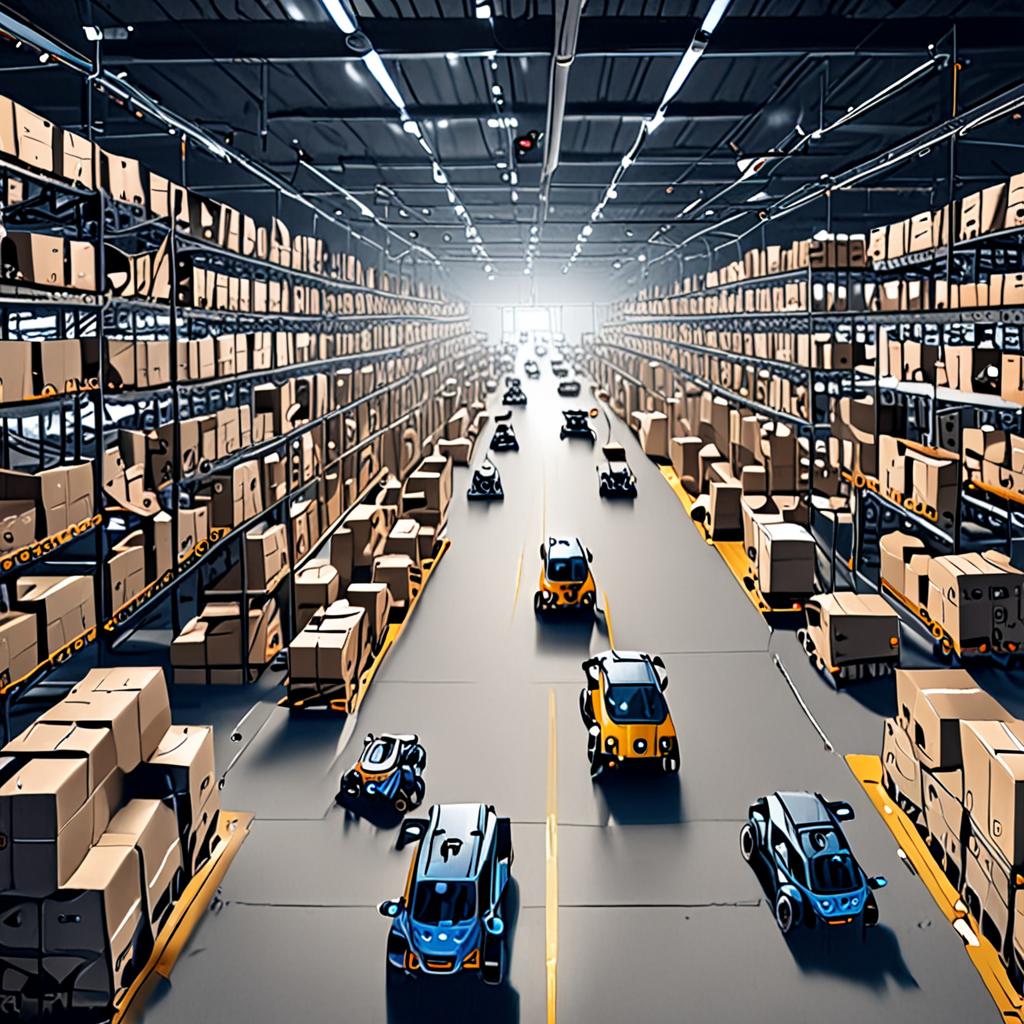
Global Market & Sociopolitical/Economic Implications
The global market for AI in business automation is expected to grow exponentially in the coming years, driven by increasing adoption across various industries. The economic implications of this trend are multifaceted, with potential for significant productivity gains, job displacement, and the creation of new job categories that we cannot yet imagine. As AI transforms the nature of work, it also raises important sociopolitical questions about the future of employment, education, and social welfare. The adoption of AI is not uniform across the globe, with certain regions and countries taking the lead in both development and deployment. This could exacerbate existing inequalities, as those with access to AI technologies may have a significant competitive advantage over those without. However, it also presents an opportunity for countries to leapfrog traditional stages of development, embracing AI as a catalyst for rapid economic growth and social progress. Regulatory environments are also evolving to accommodate the integration of AI into business operations. Discussions around AI ethics, transparency, and accountability are becoming more prominent, with many calling for stricter regulations to ensure that AI systems are fair, secure, and beneficial to society. The role of TypeScript in ensuring secure and reliable coding practices for AI applications is also being recognized.Technical Challenges, Limitations & Neural Outlook
Despite the rapid advancement and adoption of AI agents in business automation, several technical challenges and limitations remain. One of the most significant hurdles is the need for high-quality, diverse data to train AI models. The absence of such data can lead to biased models that perform poorly in real-world scenarios. Moreover, the explainability of AI decisions, often referred to as the "black box" problem, is a major concern, particularly in critical domains such as healthcare and finance. Security is another critical issue, as AI systems can be vulnerable to attacks and data breaches. The development of adversarial attacks that can deceive AI models highlights the need for robust security measures to protect AI systems. Companies like OpenAI are working to address these challenges through the development of more secure and transparent AI models. Looking ahead, the future of AI agents in business automation is promising, with ongoing research and development aimed at overcoming current limitations. The integration of AI with other emerging technologies, such as the Internet of Things (IoT) and blockchain, is expected to further enhance the capabilities of AI agents. As we move towards a more automated and intelligent future, the importance of addressing the ethical, social, and economic implications of AI cannot be overstated.
Final Authoritative Verdict & Synthesis
In conclusion, AI agents are transforming the landscape of business automation, offering unprecedented opportunities for efficiency, innovation, and growth. As we embark on this journey, it is crucial to address the challenges and limitations of AI, ensuring that its development and deployment are aligned with human values and societal needs. The future of work, economy, and society will be significantly influenced by the integration of AI into business operations, making it imperative to navigate this transformation with foresight, responsibility, and a commitment to creating a better future for all. The synthesis of insights from various domains highlights the interconnected nature of AI's impact on business and society. As we look to the future, the strategic deployment of AI agents, coupled with a deep understanding of their potential and limitations, will be key to unlocking new heights of productivity, innovation, and prosperity. In this era of intelligent automation, the symbiosis of human ingenuity and AI capabilities will redefine the boundaries of what is possible, paving the way for a brighter, more resilient future.> Terminal Output (Comments)
terminal_v1.0
$