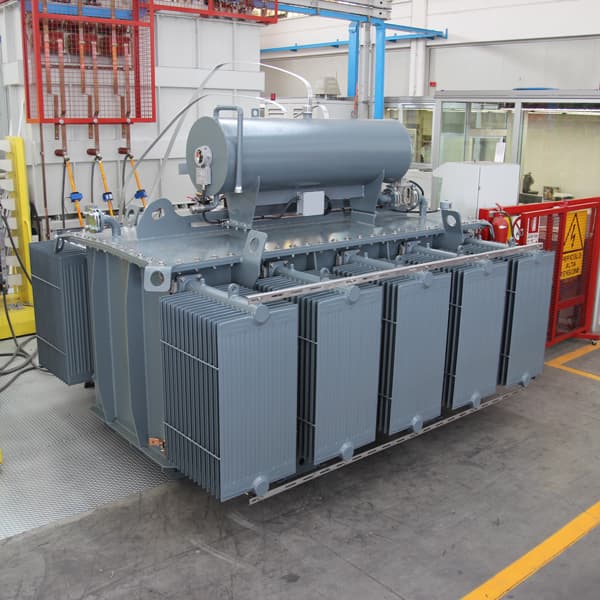
How Reliable Electrical Transformer Suppliers in Ireland Improve Power Efficiency

Anthony Rill
Lead AI Researcher
Power efficiency is not just about using less electricity. It is about making sure the electricity you already use is delivered, converted, and managed without unnecessary losses. That sounds simple enough, but in real industrial and commercial settings, the details matter. This is where dependable electrical transformer suppliers in Ireland businesses rely on can make a real difference. A transformer that is correctly designed for the application can reduce energy waste, improve voltage stability, and help equipment operate as it should. Choose badly, and you may end up dealing with excess heat, poor performance, higher running costs, and avoidable maintenance. Truth is, the transformer itself is only part of the picture. The supplier behind it matters just as much.
Choosing Equipment That Matches the Application
A reliable transformer supplier does not simply sell whatever unit happens to be sitting in a warehouse. They start by understanding the job. What is the required power rating? What voltage levels are involved? Is the transformer going into a manufacturing facility, commercial building, renewable energy project, or another demanding environment? These questions aren't just technical box-ticking. They affect efficiency over the entire operating life of the equipment. An oversized transformer can operate inefficiently when lightly loaded, while an undersized unit may run hot and struggle with demand. A knowledgeable supplier helps specify the right capacity and configuration from the start. That can prevent plenty of headaches later.
Reducing Energy Losses Through Better Transformer Design
Every transformer has losses. There is no magic unit that operates with zero energy waste. The goal is to keep those losses as low as reasonably possible. Good transformer manufacturers focus on core materials, winding design, insulation systems, cooling arrangements, and overall construction to achieve better efficiency. This becomes especially important where equipment operates continuously, because even a relatively small reduction in losses can add up over thousands of operating hours. A few percentage points might not sound dramatic when looking at a specification sheet. Over several years, though, the energy and cost difference can be substantial. That's the bit that sometimes gets missed when buyers focus only on the initial purchase price.
Why Supplier Experience Makes a Practical Difference
Technical knowledge is useful, but practical experience is where a supplier can really earn their keep. Experienced electrical equipment suppliers understand that two projects with similar power requirements may still need completely different transformer solutions. Site conditions, load characteristics, installation space, ambient temperatures, and future expansion can all influence the specification. A reliable supplier should be willing to discuss those factors instead of rushing straight toward a quotation. They should also be able to explain why a particular transformer has been recommended. You don't need a ten-page lecture full of jargon. You need a clear answer that makes sense for the actual project. Simple as that.
The Role of a Cast Resin Dry-Type Transformer in Ireland
For many installations, a cast resin dry-type transformer in Ireland project can benefit from the practical advantages of dry-type technology. Unlike oil-filled transformers, cast resin dry-type units use solid insulation and do not rely on liquid insulation oil. That can make them attractive for indoor installations, commercial buildings, and locations where fire safety and reduced environmental risk are important considerations. They can also offer a relatively straightforward maintenance profile because there is no transformer oil to monitor, replace or manage. But again, the technology needs to be matched properly to the application. A good supplier will consider load behaviour, ventilation, temperature and installation conditions before recommending a cast resin solution. It isn't simply a case of picking the newest option.
Better Voltage Control Helps Protect Equipment
Power efficiency and equipment reliability often go together. Poor voltage regulation can cause electrical equipment to work harder than it should, particularly when loads change throughout the day. A properly specified transformer helps maintain suitable voltage levels and can support more stable operation across the electrical system. This matters in factories, data-heavy environments, commercial properties, and other facilities where sensitive equipment cannot afford constant fluctuations. When equipment receives the power it needs stably, there is less chance of unnecessary stress and premature failures. It also helps operators avoid the hidden costs that come from interruptions and damaged components. Efficiency isn't only about the electricity bill, after all.
Good Manufacturing Standards Support Long-Term Performance
A transformer can look perfectly fine on delivery and still be a poor investment if it has been badly designed or manufactured. Reliable suppliers work with recognised manufacturing and testing standards, using appropriate materials and quality-control processes throughout production. Testing is particularly important because transformer performance needs to be verified before the equipment is put into service. Buyers should be comfortable asking about testing procedures, technical documentation, compliance, and warranties. It may feel like extra paperwork at the time, but it gives you something useful: confidence that the equipment has been properly assessed. Cheap equipment with unclear documentation can become expensive surprisingly quickly. That's usually when the saving stops looking like a saving.
Efficiency Doesn't End When the Transformer Is Installed
Installation and ongoing care also affect transformer efficiency. A well-designed unit can still perform poorly if it is installed in an unsuitable location, ventilation is restricted, connections are incorrect, or the equipment is consistently overloaded. Reliable suppliers can often provide guidance around installation requirements, commissioning and maintenance, helping customers get more from the equipment over its working life. Regular inspection can identify issues such as overheating, unusual noise, connection problems or insulation deterioration before they become major faults. The short answer is, buying a good transformer and then ignoring it for years isn't a strategy. Electrical equipment needs some attention. Not constant fussing, but sensible maintenance.
Conclusion: Efficiency Starts With the Right Choice
Improving power efficiency is rarely about one big decision. It usually comes down to a series of sensible choices, starting with the transformer itself and the supplier selected to provide it. Reliable suppliers look beyond the basic price tag. They consider the application, expected loads, efficiency, safety, installation environment, and long-term operating requirements. Whether a project needs a conventional power transformer or a cast resin dry-type transformer in Ireland, getting the specification right can reduce losses and support dependable performance for years. Let's be real, nobody wants to replace expensive electrical equipment sooner than necessary. Working with an experienced transformer supplier gives businesses a much better chance of avoiding that situation while making their electrical systems more efficient at the same time.