What Is the Difference Between Knowing Fitness and Coaching Fitness?

Xylos AI team
AI Research & Editorial
Knowing your way around a gym is one thing. Helping someone else feel comfortable, learn new exercises, and stick with their goals is a whole different story! If you are thinking about a cert 3 in fitness, you might already enjoy working out or helping your friends with their exercise routines. But have you ever wondered what it really takes to turn that interest into a job? There is more to personal training than knowing which exercise works which muscle. It is about learning how to work with people, too.
Knowing Fitness Is Only the Starting Point
Let us say you know how to do a squat, a push-up, and a few strength exercises. You understand the basics and feel confident doing them yourself. Great! But now imagine someone standing in front of you who has never stepped inside a gym.
They are nervous, unsure where to begin, and worried about getting things wrong. Would you know how to help them?
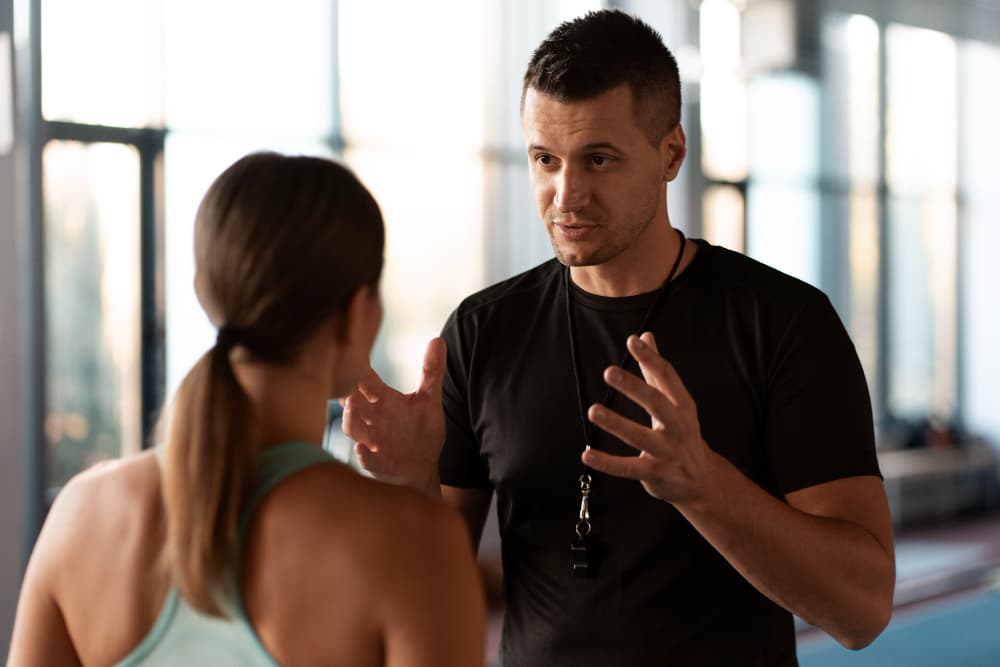
Knowing fitness means understanding exercises, movement, and workout routines. Coaching fitness means using that knowledge to help another person learn, improve, and feel more confident.
And honestly, those are two very different skills.
You might know exactly how you like to train, but your future client could have different goals, abilities, and worries. A good trainer learns to work with those differences instead of expecting everyone to follow the same routine.
Coaching Means Paying Attention to People
Here is something worth thinking about... not every client walks into a gym feeling excited.
Some people want to get stronger. Others are returning to exercise after a long break. Some feel embarrassed because they think everyone is watching them.
As a personal trainer, your job is not simply to hand over a workout plan and count repetitions. You need to listen, ask questions, and understand what the person in front of you actually needs.
Imagine a client struggling with an exercise. You could tell them to try harder, or you could stop for a moment, explain the movement differently, and help them practise at a comfortable pace.
Which approach would make them feel more supported?
That little change in how you coach can make a real difference to someone's experience. People want to feel that their trainer is on their side, not judging every move they make.
Learning to Coach Takes Practice
You cannot learn every part of coaching by watching workout videos or memorising exercise names. At some point, you need to put your knowledge into practice.
This means learning how to demonstrate exercises, explain movements clearly, observe a client's technique, and offer helpful feedback. You also need to understand when an exercise needs to be changed to suit someone's ability.
It might feel a little awkward at first. Perhaps your explanation is too complicated, or a client does not understand your instructions straight away. That happens!
The important thing is learning how to adjust your approach rather than repeating the same instructions and hoping they suddenly make sense.
Practical training gives aspiring trainers the chance to develop these skills in a more realistic setting. You can build confidence, learn from feedback, and get a better feel for what coaching actually involves.
That experience is valuable when you eventually start working with clients of your own.
Communication Matters More Than You Might Think
You could know plenty about fitness, but if you cannot explain things in simple language, your clients may struggle to follow your guidance.
Think about the difference between using complicated fitness terms and saying, "Keep your back steady and move slowly." The second instruction is easier to understand, especially for someone who is completely new to exercise.
Good coaches also know when to encourage someone and when to give them a moment to breathe. They celebrate small improvements, listen to concerns, and avoid making clients feel bad for having a difficult day.
And no, you do not need to be the loudest person in the gym to be a good trainer. Being patient, approachable, and willing to listen can be just as important.
How Fitness Qualifications Help You Make the Switch
If you want to move beyond personal interest and start building a career, structured learning can help you develop both your fitness knowledge and your coaching skills.
A Certificate III in Fitness can help you build a foundation for working in the fitness industry, including gym-based instruction and supporting people with their exercise needs.
If your goal is to work as a qualified personal trainer, Certificate IV in Fitness is the next important step, covering the skills needed to plan and deliver personal training programs.
Exploring certificate 3 and 4 in fitness can help you understand how these qualifications fit together and which pathway suits your career plans.
At SR PT Education, practical learning is an important part of preparing students for the fitness industry. Training in real gym environments can help you become more comfortable demonstrating exercises, communicating with people, and putting your learning into action.
The goal is not just to know more about fitness. It is to become someone who can use that knowledge to help others.
Ready to Turn Your Fitness Interest Into a Career?
You do not need to know everything before you begin. What matters is being willing to learn, practise, listen, and improve as you go.
If you enjoy fitness and like the idea of helping people feel stronger and more confident, coaching could be a rewarding direction to explore.
Get in touch with SR PT Education to discuss your training options and find out how you can start working towards a career in fitness.
Frequently Asked Questions
1. What is the main difference between knowing fitness and coaching fitness?
Knowing fitness means understanding exercises, movement, and training methods. Coaching fitness means using that knowledge to guide other people, explain techniques, adapt workouts, and support their progress.
2. Is knowing how to work out enough to become a personal trainer?
No. Personal trainers need more than their own exercise experience. They also need suitable qualifications, communication skills, practical coaching experience, and the ability to plan training around individual client needs.
3. What can I learn through a Certificate III in Fitness?
A Certificate III in Fitness can help you develop foundational skills for working in the fitness industry, including gym instruction, exercise demonstrations, and supporting clients with general fitness activities. The exact training depends on the course structure.
4. Do I need a Certificate IV in Fitness to become a personal trainer in Australia?
Certificate IV in Fitness is the recognised qualification pathway for working as a personal trainer in Australia. You should check the current qualification and registration requirements relevant to your intended role.
5. Why is practical training important for aspiring fitness coaches?
Practical training lets you practise explaining exercises, demonstrating movements, observing technique, and communicating with different people. It can help you feel more prepared for the everyday challenges of working with real clients.
Stay Ahead of the Curve
Join 12,000+ top strategists getting weekly human-curated editorial insights and deep-dives directly in their inbox.