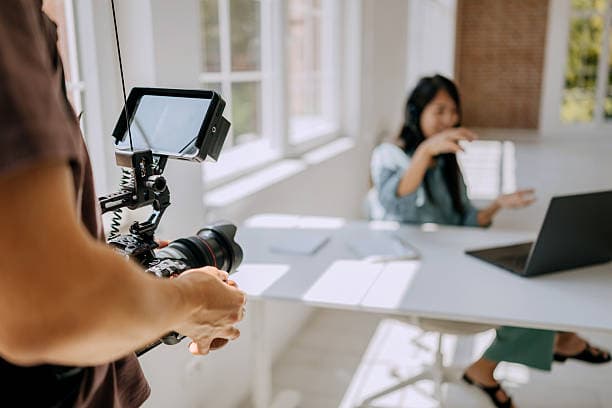
How Commercial Production Teams Maintain Continuity Between Shots

Xylos AI team
AI Research & Editorial
Ever watched a commercial where everything feels smooth, from one scene to the next, without you even noticing the cuts? That is not just good editing. Behind that natural flow is careful planning, a sharp eye, and a team that pays attention to the smallest details. With commercial video production services in Michigan, keeping every shot connected is an important part of creating a video that looks professional and tells a clear story.
But here is the tricky part... even a small change between two shots can make a scene feel strange. A person suddenly holds a cup in a different hand, a product moves across the table, or the lighting changes without warning. These little things can pull viewers out of the moment. So, how do production teams keep everything looking right?
Let us take a closer look.
What Does Continuity Mean in Commercial Video Production?
Continuity means making sure that each shot fits naturally with the shots around it. When viewers watch a commercial, they should be able to follow the action without getting distracted by unexpected changes.
Imagine filming a person opening a box. In the first shot, the box is closed. The next shot shows the person lifting the lid. If the box suddenly changes position or the person's hands are somewhere else, the scene feels off.
It might seem like a small mistake, but these details matter. A commercial needs to feel like one complete story, not a collection of unrelated clips.
Careful Planning Before the Cameras Roll
Good continuity starts before filming begins. The production team reviews the script, plans the scenes, and decides how each shot will connect to the next one.
A shot list helps everyone understand what needs to be filmed and in what order. Storyboards can also show how a scene should look from different camera angles.
This preparation becomes especially helpful when a commercial includes several locations, different people, or close-up product shots. When the team knows what comes next, it is easier to avoid mistakes during filming.
Of course, plans can change on set. That happens. But having a clear starting point makes those changes much easier to manage.
Keeping Props, Clothing, and People Consistent
Here is where the little details can cause big headaches.
A product placed on a table needs to stay in the correct position between shots. Clothing, accessories, hairstyles, and even the amount of liquid in a glass may need attention. If an actor picks up a phone with their right hand in one shot, the next shot should match the action when the scene continues.
Production teams often take reference photos before moving props or changing camera angles. These pictures give the crew something to check when a scene needs to be filmed again.
It is a simple habit, really, but it saves time and helps prevent unnecessary editing problems later.
Matching Lighting and Camera Angles
Continuity is not only about objects and people. Lighting plays a big role, too.
Suppose a product is filmed under soft, bright lighting in one shot. If the next shot looks darker or has a different color tone, the product may appear completely different. This can be especially distracting in commercials where brand colors and product details need to look accurate.
Camera angles matter just as much. The production team pays attention to where the camera sits, how far it is from the subject, and which direction the subject faces.
Matching these details helps scenes feel connected, even when the crew films them at different times.
Why Communication Matters on Set
A production crew cannot maintain continuity if everyone is working from a different idea of how a scene should look.
Directors, camera operators, assistants, and editors all play a role. Someone needs to track details while the director focuses on performances and the camera team handles framing.
Clear communication keeps everyone on the same page. If a shot needs to be repeated, the team can check the earlier footage and make the necessary adjustments before moving forward.
This teamwork is one reason businesses turn to experienced production professionals. They understand that creating a strong commercial involves much more than pointing a camera and pressing record.
How Editing Helps Bring Every Shot Together
Even with careful planning, small differences can happen. That is where editing comes in.
Editors compare shots, arrange clips, and check whether actions flow naturally from one moment to another. They may adjust color, trim a clip, or choose a different take to make the transition feel smoother.
Still, editing cannot fix every problem. If an important action was never filmed correctly, the editor may have limited options. That is why production teams try to get things right on set instead of leaving every issue for post-production.
For businesses looking into video production detroit, choosing a team that values both planning and editing can make a real difference to the finished commercial.
Create Commercials That Feel Natural and Professional
When continuity is handled well, viewers can focus on the message instead of noticing mistakes. The product looks consistent, the story makes sense, and the commercial feels polished from beginning to end.
At Highway Media, we understand the value of careful planning, clear communication, and attention to detail throughout the production process. Whether you need a product commercial, a company video, or a promotional project, every shot should have a purpose.
Ready to bring your next idea to life? Visit Highway Media to explore our video production services and talk with our team about creating a commercial that connects with your audience.
Frequently Asked Questions
1. Why is continuity important in commercial video production?
Continuity helps every shot feel connected. It prevents distracting changes in props, clothing, lighting, and movement, allowing viewers to follow the story and focus on the brand's message.
2. Who is responsible for maintaining continuity on a film set?
The entire production team contributes, but a script supervisor or designated continuity person often tracks details such as actor movements, prop positions, and scene changes. The director and camera crew also help maintain consistency.
3. How do production teams remember small details between shots?
Teams may use reference photos, shot notes, scripts, and continuity checklists. These tools help them match object positions, clothing, actor movements, and other visual details when filming multiple takes.
4. Can editing fix continuity mistakes?
Editing can hide or reduce some mistakes by changing clip order, trimming footage, adjusting colors, or selecting another take. Still, major differences in movement or missing footage may be difficult to correct, so prevention during filming is important.
5. How can a business choose a commercial video production team?
Look for a team with a clear planning process, good communication, and experience handling commercial shoots. Ask how they manage shot lists, continuity, lighting, and editing to make sure your final video looks consistent and professional.
Stay Ahead of the Curve
Join 12,000+ top strategists getting weekly human-curated editorial insights and deep-dives directly in their inbox.