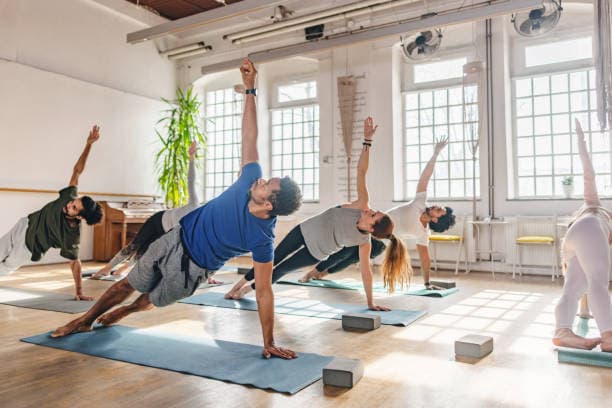
What Equipment Do You Need for Mat Pilates?

Xylos AI team
AI Research & Editorial
Ever rolled out a mat, watched a Pilates video, and wondered whether you were missing half the equipment? You are not alone! When exploring mat Pilates near me in San Antonio, you might see people using rings, bands, small balls, and other fitness tools. It can look like a lot at first. The good news is that you do not need a room full of equipment to get started. A few simple items, some comfortable space, and a willingness to learn are usually enough.
Let us walk through what you really need, what you can add later, and how to keep your Pilates routine simple without spending money on things you may never use.
1. Start With a Comfortable Pilates Mat
Your mat is the first thing to think about. Since mat Pilates involves movements on your back, stomach, knees, and hands, you want something that feels comfortable and gives you enough support.
A regular yoga mat may work, but a slightly thicker Pilates mat can feel better during floor exercises. Look for one that stays in place when you move. A slippery mat can make simple exercises frustrating, and nobody wants to spend the whole session adjusting it!
Choose a mat that is easy to clean, rolls up without much effort, and gives you enough room to stretch your arms and legs.
2. Keep a Small Set of Resistance Bands
Resistance bands are useful, but they are not something you must buy on your first day. They can add a little extra challenge to movements that work your legs, arms, and hips.
For example, you might place a light band around your thighs during certain leg exercises. The added resistance can help you focus on control rather than rushing through each movement.
Start with a light band. You can always try a stronger one when you feel ready. The goal is to move well, not to make every exercise as hard as possible.
3. Try a Pilates Ring for Extra Support
You have probably seen those round rings with handles that people squeeze between their hands or legs. That is a Pilates ring, sometimes called a magic circle.
It can make certain exercises more challenging by adding gentle resistance. You may use it between your thighs, hold it in your hands, or include it in upper-body movements.
Is it essential? Not at all. It is simply another tool that can add variety to your routine. If you are new to Pilates, learn the basic movements first and consider a ring later.
4. Small Pilates Balls Can Make Exercises More Interesting
A small Pilates ball is another optional piece of equipment. It is often used to support the body during floor exercises or to add a little extra challenge.
You might place it between your knees or under a part of your body during a suitable exercise. It can also help you pay closer attention to your position and movement.
Choose a ball designed for Pilates rather than a large exercise ball. Make sure it is properly inflated and comfortable to use. If an exercise feels awkward, ask an instructor to show you the correct setup.
5. Do Not Forget Comfortable Clothing and Water
Equipment is not just about the things on the floor. Your clothing matters, too.
Wear something that lets you bend, stretch, and move without pulling or slipping. Fitted but comfortable clothing can make it easier to see and adjust your body position during class.
Keep a bottle of water nearby, especially if you are adding Pilates to a busy workout schedule. You do not need special shoes for most mat Pilates sessions because many classes are done barefoot or in grip socks, depending on the studio rules.
A towel can also come in handy. Simple things make a difference.
6. What Can You Skip When You Are Starting?
Here is where you can save a little money. You do not need to buy every Pilates accessory you see online.
Start with a good mat. Add resistance bands or a ring if your instructor recommends them or you want more variety. Small balls, special socks, and other accessories can wait.
If you are attending a studio class, ask what equipment is provided before buying anything. Some studios already have everything you need, so bringing your own collection may be unnecessary.
When comparing workout classes in San Antonio, look for beginner-friendly sessions where instructors explain the movements and help you use equipment correctly. Having someone guide you can make the whole experience feel less confusing.
7. Keep Your First Pilates Setup Simple
The best Pilates setup is one you will actually use. You do not need expensive accessories or a picture-perfect workout space. A supportive mat, comfortable clothing, and enough room to move are a great starting point.
As you become more familiar with Pilates, you will learn which tools suit your goals. Some people enjoy resistance bands, while others prefer a simple mat routine with no extra equipment at all.
Give yourself time to find your rhythm. Start small, focus on good form, and build from there. Pilates should fit into your life, not turn into another shopping project!
Frequently Asked Questions
1. Can we do mat Pilates without any equipment?
Yes! A comfortable mat is usually enough, and some exercises can even be done on a suitable, non-slip floor. Your body provides the resistance for many basic movements.
2. Is a yoga mat good enough for Pilates?
Yes, a yoga mat can work for beginners. If you find your knees, spine, or hips uncomfortable on it, consider a thicker mat designed for Pilates.
3. Which Pilates equipment should beginners buy first?
Start with a supportive mat. Resistance bands are a useful next purchase if you want more exercise options, but you can wait until you know what you enjoy.
4. Are resistance bands necessary for mat Pilates?
No. Many mat Pilates exercises use body weight alone. Bands are optional tools that can add resistance and variety to selected movements.
5. Can we bring our own equipment to a Pilates studio?
Usually, but studio policies can vary. Check with the instructor before bringing your mat, bands, or other accessories. The studio may already provide the equipment you need.
Stay Ahead of the Curve
Join 12,000+ top strategists getting weekly human-curated editorial insights and deep-dives directly in their inbox.