What Does Excavation for Septic Tank Installation Involve?

Xylos AI team
AI Research & Editorial
Ask around and most people will say a septic install is a big machine, a big hole and a tank, done by lunch. Not even close. The dig is only one piece of it, and honestly it’s the part that gets blamed when things go sideways later. Proper excavation for septic tank work starts weeks before anything gets scraped open, and it doesn’t really end when the dirt goes back in. Skip a step somewhere in the middle and the yard shows it, usually around year three or four, with a soggy patch and a smell nobody wants to talk about.
Why the Property Walk Happens Before Anyone Digs
Somebody has to actually walk the lot first. Slope, trees, the well, the house, the neighbor’s fence line, where water runs after a hard rain. It looks like a lot of standing around, but it’s not. Put a tank low in a spot where runoff collects and it floods, simple as that. Put it too close to a well and the health department will make the owner pull it out, which is a bad day for everybody involved. Placement is a decision, not a guess, and no operator however skilled can dig their way out of a wrong location.
Soil Testing and the Perc Test Decide More Than Most Folks Realize
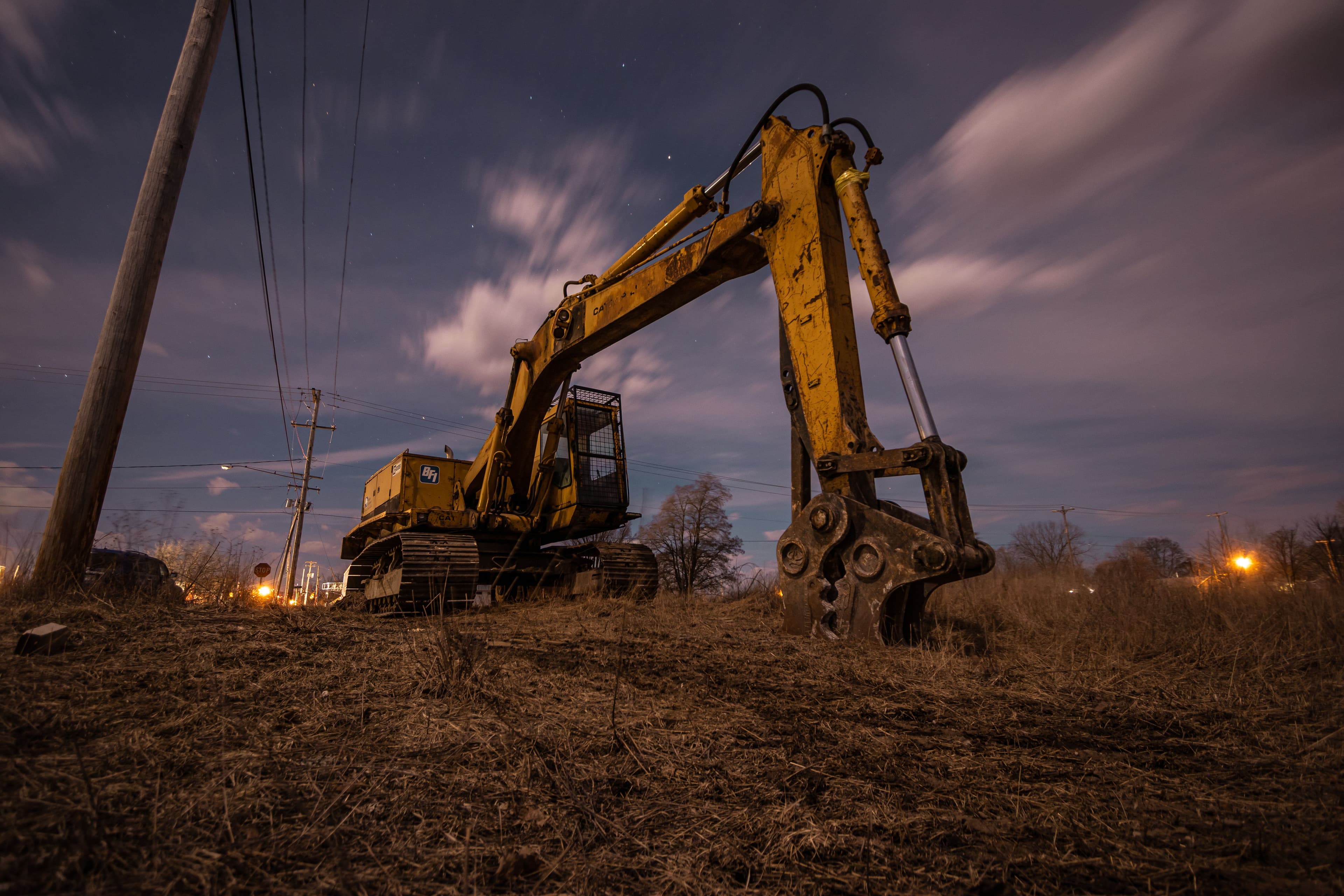
Soil runs the whole show, really. Sand drains quick. Clay barely drains at all and just sits there like a full bathtub. Rock can turn one day into three, with a hammer attachment and a lot of swearing. Most counties want a perc test, where small holes get dug, filled with water and timed to see how fast the ground takes it in. Those numbers tell the designer how big the drain field has to be. If the soil refuses water the whole plan changes, sometimes to a mound system or an engineered design, which costs more. Better to find that out early than halfway through the job.
Permits and Inspections Are Annoying but Skipping Them Is Worse
Nobody loves paperwork. But skipping a permit is a fast road to fines, a forced tear-out, and a house that’s hard to sell down the line because the records don’t match what’s in the ground. The local health department usually reviews the design first. Then an inspector shows up at set points. Some want to see the open hole before the tank drops in, others care more about the trenches before they get covered. Miss that window and the crew might end up digging everything back up just so a person with a clipboard can look at it for five minutes.
Marking Underground Lines and Planning the Dig Zone
Buried lines are everywhere. Gas, water, power, internet, and now and then an old line nobody has a record of. A call to the utility locator service comes first, and in most states it’s free, which makes skipping it hard to excuse. Once everything’s flagged, the crew works out the dig zone, where the spoil pile goes, and how the excavator gets in without tearing up a driveway or the area set aside for a replacement field. Sounds minor. A cut gas line says otherwise.
Hiring a Local Excavation Company That Actually Knows the Ground
This is where the hiring choice matters. A local excavation company already knows how the dirt behaves in the area, which inspectors are strict about what, and how one wet spring can wreck a schedule overnight. Outside outfits can do good work, sure, but they’re learning on the owner’s dime. Ask how many septic jobs they finished last year. Ask what machines they run, and whether they’ve dealt with rock or a high water table. Vague answers are an answer too. Somebody with real experience tends to talk about specific jobs without being asked.
How Deep and How Wide the Hole Has to Be
Hole size comes from tank capacity, and capacity usually follows the bedroom count rather than how many people live in the house today. Families change. Depth is the trickier one. The inlet pipe has to slope away from the house, roughly a quarter inch per foot, so the tank needs to sit low enough for gravity to do its thing. Too shallow and the lines back up. Too deep and there’s extra dirt to haul away and a pump truck hose that barely reaches the lid. Frost depth and groundwater play into it as well, depending on the region.
Setting the Tank on a Base That Won’t Shift
The bottom of the excavation needs to be flat and firm. Crews usually put down a bed of gravel or sand so the tank sits level and doesn’t settle on one corner, since uneven settling can crack concrete or warp plastic over time. Then the tank gets lifted in with the machine, checked with a level, and hooked to the inlet and outlet pipes. Slow work. Rush it and a leak might go unnoticed for years, quietly feeding the soil around it. Seams and seals get a close look at this stage, every single one.
The Drain Field Is Where the Real Work Gets Done
The tank gets all the attention but the drain field does the real cleanup. Trenches are dug in set patterns, lined with gravel, perforated pipe and a layer of fabric that keeps soil from clogging the stone. Spacing matters. So does depth. What trips up a lot of owners is compaction, because driving a truck or even a heavy mower over a finished field squeezes the soil and kills its ability to take water. Roping it off during the build costs almost nothing. Replacing a failed field costs a pile of money.
Backfilling and Grading So the System Stays Put
After the inspector signs off, backfilling happens in layers instead of one big dump. Dumping it all at once leaves air pockets and the ground sinks later in odd spots. Grading follows, shaped so surface water runs away from the tank and the field instead of toward them. Risers and lids get set at grade so the pump truck can find them without a shovel and a guess. A little extra soil gets mounded on top because it settles during the first year or two. Seed it, water it, give it a season.
The Short Answer on Doing a Septic Dig Right
Let’s be real, a septic system is one of those things nobody thinks about until it fails. That’s kind of the point of doing it right. Soil tests, permits, careful digging and a lot of patience on the drain field all add up to a system that sits quietly under the grass for decades. The short answer for property owners is to hire a local excavation company that treats the dirt work as seriously as the tank itself. Good ones explain their reasons, show up when they say they will, and won’t rush a step just to save an afternoon. Do it right once. Then forget about it.
Stay Ahead of the Curve
Join 12,000+ top strategists getting weekly human-curated editorial insights and deep-dives directly in their inbox.