Is Private Flood Insurance Actually Worth It for Florida Homes?

Xylos AI team
AI Research & Editorial
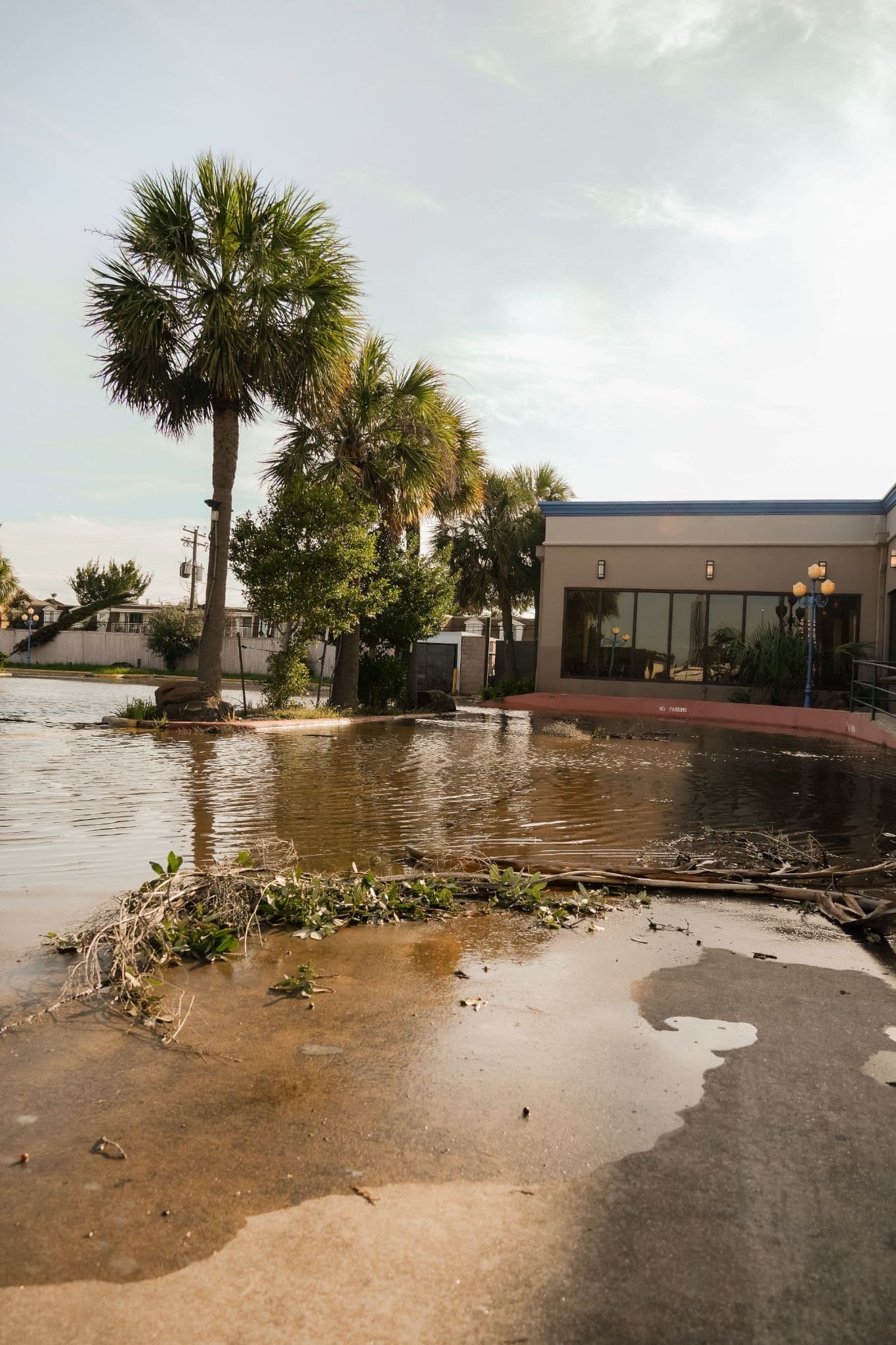
The flood season in Florida doesn’t announce itself. A storm drifts in, the drains back up, and suddenly the living room is under water. Most homeowners down there assume their regular policy covers it. It doesn’t, and that surprise is expensive. This is where private flood insurance enters the picture, and honestly it confuses a lot of people. Some figure it’s a gimmick. Others assume it’s automatically better than the government program. The short answer is neither one. It’s a real option with real trade offs, and a homeowner should understand both sides before signing anything, because once the water’s in the house it’s too late to read the fine print.
What Private Flood Insurance Really Is
It’s coverage sold by commercial insurers instead of the federal program that runs through FEMA. Same basic job, paying for water damage that a standard homeowners policy leaves out. The difference lives in the details. Private carriers set their own rules, their own pricing models, their own coverage options. Some write policies that look almost identical to the federal version. Others add extras, like loss of use while the home is being repaired, or broader protection for the stuff inside. Truth is, the word “private” only tells you who is carrying the risk. It doesn’t tell you whether the policy is good. Plenty are great. A few are thin, and that’s where buyers get burned.
Why Florida Homeowners Look Beyond the Federal Program
Let’s be real, the federal program has caps. Dwelling coverage tops out at a fixed limit, and contents coverage sits separately and is smaller still. For a modest older house that can be fine. For a newer home with a high rebuild cost, the gap gets ugly fast. Private coverage often goes higher, which matters in coastal counties where construction costs keep climbing year after year. Speed is another reason. Some carriers can bind a policy quicker, and a few shorten or skip the waiting period that the federal program usually imposes. Not all of them do, so ask. Owners with odd setups, like a finished lower level or a detached structure, sometimes find the private wording friendlier too.
Will a Mortgage Lender Accept It?
Usually, yes. Federal rules allow lenders to accept private policies when they meet certain standards, and most big Florida lenders know the routine by now. But here’s the catch. Every lender has its own checklist, and some get picky about policy wording, the mortgage clause, or how cancellation is handled. Homeowners sometimes buy a policy, send it over, and get a rejection two weeks later. Annoying. The smarter move is to call the lender first, get the requirements in writing, then go shopping. It saves a ton of back and forth, and it keeps a closing date from slipping, which nobody wants to deal with when they’re already stressed about moving.
Where Specialist Flood Insurance Brokers Fit In
This is the middle of the whole thing, and probably the most useful part. Specialist flood insurance brokers spend their days comparing flood carriers, not selling auto and life policies on the side. They know which companies write in which zones, which ones are quick on claims, and which ones quietly exclude things buyers don’t notice until later. A general agent might have access to one or two flood options. A specialist usually has a much wider shelf to pick from. That matters, because flood coverage is not one size fits all. A broker also works on the buyer’s side of the table, not the insurer’s, so the advice tends to be a little more blunt. Which is exactly what you want when the house is the biggest thing you own.
What Private Policies Cover and What They Skip
Most policies cover the building itself, the foundation, electrical and plumbing systems, HVAC equipment, and built in appliances. Personal belongings are usually a separate choice, so don’t assume they’re included. Where it gets tricky is basements and lower levels. Federal rules are restrictive there, and private carriers vary a lot. Some cover finished areas, some flat out don’t. Then come the exclusions. Mold from neglect, land damage, outdoor stuff like fences, and sometimes pools or docks. Read the exclusions page first, not last. People do it backwards, honestly. They read the pretty summary, skip the fine print, and find out at claim time that the fence was never covered at all.
How Pricing and Underwriting Work
Private carriers price risk their own way. They look at elevation, distance to water, building materials, claims history, even the roof and foundation type. Federal pricing has become more risk based over time too, but private underwriters can sometimes reward a well built home that sits higher off the ground. That’s the good news. The flip side is they can also say no. A property with repeat losses might get turned down or priced painfully. Quotes can swing quite a bit between carriers for the exact same address, which is why getting more than one is not optional. It’s the whole game. And if the owner has an elevation certificate handy, that single document can change the outcome in a big way.
Mistakes People Make Before They Buy
First one, waiting for a storm to show up on the forecast. Policies usually carry a waiting period, so buying when the radar is red is just too late. Second, picking on price alone. A cheap policy with a shaky claims reputation isn’t cheap, it’s a gamble. Third, assuming the carrier is financially solid without checking. Look up the financial strength rating, takes a few minutes. Fourth, never reviewing the policy after the purchase. Homes change, renovations happen, belongings pile up, and coverage should keep pace. None of this is complicated, really. It’s just the stuff people put off until putting it off gets costly.
So Is It Worth It?
The honest answer is it depends on the home, the lender, and how much risk the owner is comfortable carrying alone. For plenty of Florida households, private flood coverage means more protection, more flexibility, and sometimes a smoother claims ride. For others the federal program is perfectly fine and there’s no shame in that. Don’t guess, though. Talk to specialist flood insurance brokers, compare a few real quotes side by side, and ask the awkward questions about exclusions and claim handling before paying a cent. Flood doesn’t care whether someone felt ready. Get it sorted while the sky is clear, and the next big rain turns into an inconvenience instead of a disaster.
Stay Ahead of the Curve
Join 12,000+ top strategists getting weekly human-curated editorial insights and deep-dives directly in their inbox.