What Do Outdoor Directional Signs Actually Do for a Business?

Xylos AI team
AI Research & Editorial
People just walk past a sign without really noticing it. That's kind of the point, you see. A good one quietly does its thing - you reach your destination and don't notice it did anything, which is what you wanted all along. But if there's no sign or the sign is illegible, people immediately take notice of it but mostly because they're pretty peeved. Companies often fail to understand this: they've already spent ages on the interior, their product or the website, then just plonk an afterthought billboard by the car park and mark it off.
Why Outdoor Directional Signs Matter More Than You'd Think
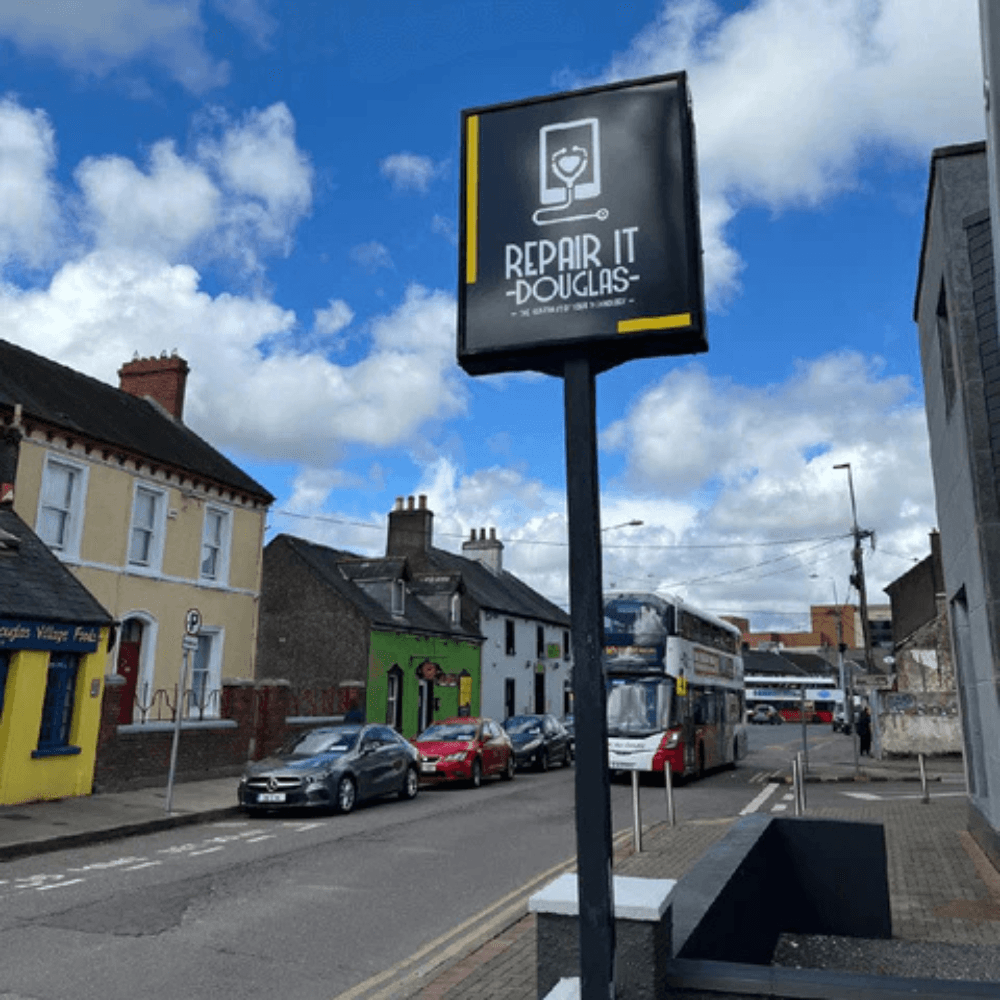
Breathe a sigh of relief outdoor directional signs are something that we all tend to neglect. In reality, these are normally one of the very first things a customer interacts with before they have even entered your premises. A driver driving around the car park, a courier looking for the loading bay, a visitor five minutes late to call in – they are all depending on whatever you stick out in the elements. If it gets the message across, they come calm. If not, they come angry, or they don't come at all. Wayfinding signage, road signage, entrance signage, it all falls under the same banner, and every piece plays a small but tangible role in how customers feel about your business from the moment they arrive.
Initial Impressions Begin in the Car Park
Think back to the last time you visited a new place. Did you walk through the door and make a snap judgement about the reception desk? Or did you judge the approach? Was it easy to find, was the entrance clear, did you even know where to park? All those things matter. A clean, consistent signage system says that the business is well run. Messy signs, faded, bent and pointing the wrong way say the opposite. That's not fair perhaps, but that's how people think. Customers won't really complain about poor signage, but they'll make the decision if you're a bit muddled and move on. Think about that, especially if you're a small business.
Where Should You Actually Put Them?
The short answer is – earlier than you think. We put signs where people make the decision to do business with us (big mistake, you want them when they're still on the way). By the time a driver has seen the arrow they've already driven past the turn. So you want signs where they give plenty of notice, and by that we mean, from the customer's perspective not yours. Walk it. Drive it. Better still, send someone unfamiliar with your location to find you, and see where they get stuck. Intersections, entrances, road splits, exit from a car park, those are the critical areas. And don't bunch everything together either, one simple message on a sign is more effective than five squeezed in.
Materials, Size & Visibility Fundamentals
Here's where it all goes wrong. We are not blessed with good weather. Rain, wind, salty sea air by the coast, wintery four in the afternoon daylight – so what you choose has to be able to stand up to all of those. Aluminium and composite panels are tough, don't rust, and print well. Cardboard and the like blow away in a strong breeze and fade after a season or two. Size is important. Text that looks good on your computer will be impossible to read in the back of a car as it whizzes past. Make it bigger than you think you should, use high contrast (light text on dark background or the other way round), avoid too many italics and the fancy thinner fonts. Reflective finishes work great after dark, even on quiet back roads with no streetlights.
Safety, Access and Getting the Rules Right
Directional signage isn't just 'nice to have' – it's a matter of safety. Identifying footpaths, loading bays, fire lanes, disabled parking, even one-ways. Get them wrong and you're potentially putting someone at risk – or at least blocking your entrance and having an irate delivery driver parked up on your forecourt. You also need to bear in mind any planning rules – for the signage's location and dimensions – and whether you'll need planning permission from the local authority before erecting it. Whatever you do, don't 'wing' it. Check first. It's much cheaper than having to remove a sign that you spent good money on to put up in the first place (a lesson so many people forget).
Branding Without Making It Unreadable
Here's the balancing act. You want the sign to appear like your business, same colours, same style, perhaps your logo. The main function however is to give direction, not to advertise. When the branding gets out of hand and the arrow becomes microscopic the signs are next to useless. Keep your logo small, keep the arrow and the words large. A uniform look across all of your signage does create familiarity over time, however, so don't completely dismiss it. Use the same two or three colours, the same clear typeface, adopt them. Consistency is what makes your business look bigger than the year it's actually been operating for.
Why Choose Custom Signage Ireland Companies Can Trust
While you may be tempted by off-the-shelf signs – affordable and quick – they are rarely right for you. Your site will be different. It might have awkward entrances, sharp corners, a shared car park and a disappointing "Reception" arrow that screams "generic". This is why custom signage Ireland wide really hits the spot. A bespoke sign ensures the size, the text, the way you hang it (for that exact location) is perfect. You can coordinate colours and fonts rather than having to choose the best of what happens to be in stock. Local sign makers know about the weather, know about planning laws and know about the speed of traffic – knowledge that can save you a significant headache and cost of mistakes.
Care and Replacement Timing
Signs aren't a one off purchase and never worry about again They gather grime, become scratched and knocked by vans reversing back out of the yard. The sun bleaches out the colour – check them every few months. Clean and inspect the fixings, watch out for them fading or peeling. If it's difficult to read in broad daylight, it's even worse at night and in the rain. If it's worn, replace it – don't wait for customers to have a go at you about it because they won't. Change your layout, when a new entrance goes up, when you add another building, change the car park – update the signage immediately. Out-of-date signage actively takes people in the wrong direction.
Final Thoughts
So, do they matter? Yes, honestly more than most owners realise. Good outdoor directional signs make arriving easy, keep people safe, and quietly build the impression that you know what you're doing. Placement, materials, readability, a bit of upkeep, that's really all it takes. Nothing fancy. And if your site has any awkward quirks, investing in custom signage Ireland businesses trust is usually the smarter move over generic boards. Get it right once and you won't think about it again. Which, funnily enough, is exactly what a good sign is meant to do.
Stay Ahead of the Curve
Join 12,000+ top strategists getting weekly human-curated editorial insights and deep-dives directly in their inbox.