
Technology2026.08.14·7 MIN READ
AI vs Human Writers: The Future of Content Creation
A
Anmol
Lead AI Researcher
Introduction
The world of content creation is undergoing a significant transformation, driven by the rapid advancements in artificial intelligence (AI) and machine learning. The rise of AI-powered writing tools has sparked a heated debate about the role of human writers in the future of content creation. Can AI truly replace human writers, or do they complement each other? In this article, we will delve into the world of AI-generated content, exploring its possibilities, limitations, and implications for the future of writing. As we navigate this complex landscape, it is essential to consider the historical context of content creation. The advent of the internet and the proliferation of digital media have created an insatiable demand for high-quality content. Human writers have traditionally been the primary creators of content, but the emergence of AI-powered writing tools has raised questions about the future of human writers. Our previous articles, such as The Benefits of Choosing Code-Approved Tiny Home Designs and AI Renaissance: The Rise of Decentralized Generative Models in 2023, have explored the intersection of technology and human creativity. The current state of AI-generated content is characterized by the use of Python and TypeScript programming languages, which have become the backbone of AI development. Companies like OpenAI and Google DeepMind are leading the charge in AI research and development. Recent news, such as Uber and Pony AI's plan to bring 2000 robotaxis to Europe, demonstrate the rapid pace of AI adoption in various industries.
Background, Evolution & Genesis
The concept of AI-generated content is not new, but recent advancements in natural language processing (NLP) and language generation have made it possible for AI to create high-quality content. The evolution of AI-generated content can be traced back to the early 2000s, when researchers began exploring the potential of AI in writing. One of the key milestones in the development of AI-generated content was the introduction of TensorFlow and PyTorch, two popular open-source machine learning frameworks. These frameworks have enabled developers to build and train AI models that can generate human-like text. The use of Next.js and React has also become increasingly popular in AI-powered writing tools, as they provide a robust and scalable framework for building user interfaces. The current state of AI-generated content is characterized by the use of Node.js and TypeScript programming languages, which have become the backbone of AI development. Companies like OpenAI and Google DeepMind are leading the charge in AI research and development.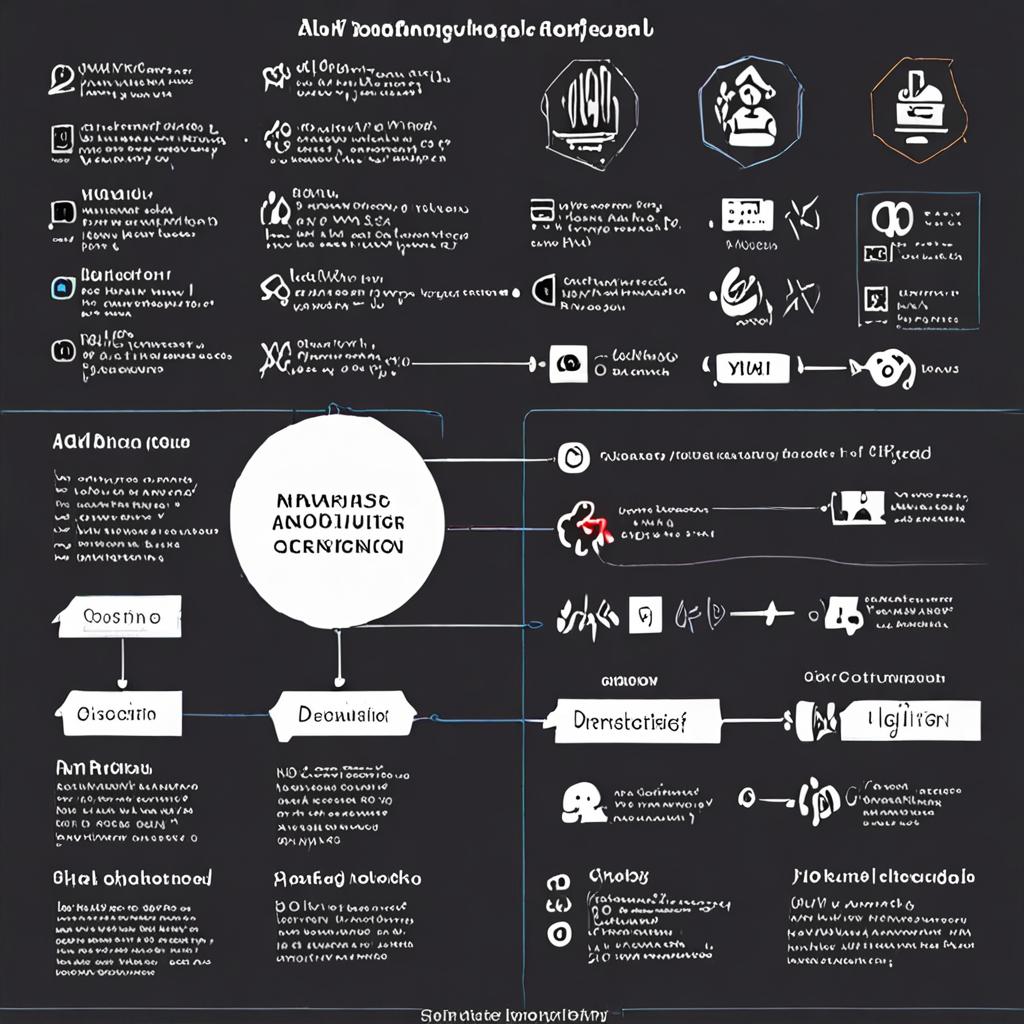
Strategic Deep Dive & Technical Analysis
The technical analysis of AI-generated content reveals a complex landscape of algorithms, frameworks, and tools. At the heart of AI-powered writing tools is the use of transformers, a type of neural network architecture that has revolutionized the field of NLP. The use of transformers has enabled AI models to learn the patterns and structures of language, allowing them to generate high-quality text. One of the key challenges in AI-generated content is the issue of adversarial attacks, which can compromise the integrity of AI models. To mitigate this risk, developers are using techniques such as adversarial training and defensive distillation. These techniques involve training AI models to be more robust and resilient to adversarial attacks. The use of Next.js and React has also become increasingly popular in AI-powered writing tools, as they provide a robust and scalable framework for building user interfaces. The integration of AI-powered writing tools with Google and Microsoft services has also expanded the reach and accessibility of AI-generated content.
Global Market & Sociopolitical/Economic Implications
The global market for AI-generated content is expected to grow significantly in the coming years, driven by the increasing demand for high-quality content. The use of AI-powered writing tools is expected to transform the content creation industry, enabling businesses and individuals to produce high-quality content at scale. The sociopolitical and economic implications of AI-generated content are far-reaching and complex. On one hand, AI-generated content has the potential to democratize access to high-quality content, enabling businesses and individuals to produce content that was previously inaccessible. On the other hand, the use of AI-generated content raises concerns about the role of human writers and the potential displacement of jobs. The integration of AI-powered writing tools with Google and Microsoft services has also expanded the reach and accessibility of AI-generated content. Companies like OpenAI and Google DeepMind are leading the charge in AI research and development.Technical Challenges, Limitations & Neural Outlook
The technical challenges and limitations of AI-generated content are significant, and they pose a major obstacle to the widespread adoption of AI-powered writing tools. One of the key challenges is the issue of bias in AI models, which can result in AI-generated content that is biased or discriminatory. To address this challenge, developers are using techniques such as debiasing and diverse data to train AI models that are more fair and transparent. The use of Next.js and React has also become increasingly popular in AI-powered writing tools, as they provide a robust and scalable framework for building user interfaces. The future of AI-generated content is uncertain, but one thing is clear: AI will play a major role in the future of content creation. As AI technology continues to evolve, we can expect to see significant improvements in the quality and accuracy of AI-generated content. The integration of AI-powered writing tools with Google and Microsoft services will also continue to expand the reach and accessibility of AI-generated content.Final Authoritative Verdict & Synthesis
In conclusion, the debate between AI and human writers is complex and multifaceted. While AI-generated content has the potential to revolutionize the content creation industry, it is not a replacement for human writers. Instead, AI should be seen as a tool that can augment and enhance the creative process, enabling human writers to produce high-quality content at scale. As we look to the future, it is clear that AI will play a major role in the future of content creation. The integration of AI-powered writing tools with Google and Microsoft services will continue to expand the reach and accessibility of AI-generated content. Companies like OpenAI and Google DeepMind will continue to lead the charge in AI research and development, driving innovation and progress in the field of AI-generated content.> Terminal Output (Comments)
terminal_v1.0
$