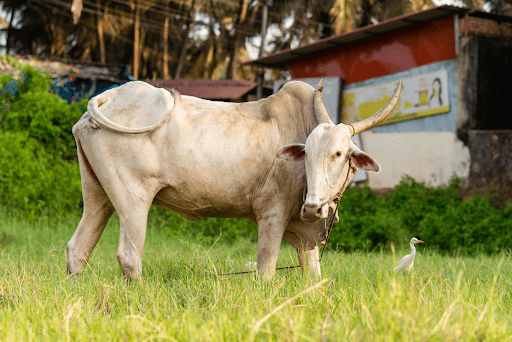
What Actually Determines the Final Price for Half Cow

Anthony Rill
Lead AI Researcher
Look, if you've been staring at your grocery bill lately thinking there's got to be a better way to buy beef, you're not wrong. A neighbor mentions they buy half a cow from some local farm every year and suddenly you're down a rabbit hole trying to figure out the half cow cost and whether it's actually worth it. Here's the thing nobody tells you upfront — the price isn't one clean number. It's a bunch of moving pieces stacked on top of each other, and if you don't know what they are, you'll either get overcharged or just walk away confused and give up on the idea entirely.
What "Half a Cow" Actually Means
First off, half a cow isn't some curated box of your favorite cuts. It's roughly half of a whole processed animal — steaks, roasts, ground beef, ribs, and a bunch of stuff you probably weren't thinking about, like cuts for bone in beef shank soup. A lot of first-timers open their delivery and go "wait, what is this?" because they forgot the animal comes with more than just ribeye and sirloin. That full mix is exactly why the per-pound cost looks so different from what you'd pay picking individual steaks off a store shelf.
Hanging Weight vs. Take-Home Weight (This Trips Everyone Up)
This is honestly where most of the confusion starts. Farms usually quote price based on "hanging weight" — basically the carcass weight right after slaughter, before anyone's touched it with a knife for real cutting and trimming. Once it goes through processing, you lose weight. Bone, fat trim, moisture — it all adds up to less than what you started with. So a quote based on hanging weight is going to look cheaper than your real cost per pound once the meat's actually packaged. Ask which weight number you're getting quoted. Seriously, just ask.
Live Weight Makes It Even Messier
Some farms go back even further and quote live weight — the weight of the actual animal before slaughter. That number's bigger than hanging weight, obviously, since nothing's been removed yet. Problem is, if you're comparing two farms and one gives you live weight while the other gives you hanging weight, you can't just line those numbers up side by side. You've got to convert first. This mismatch alone causes more "wait, why is this so expensive" moments than almost anything else in the whole process.
Don't Forget the Processing Fee
Here's a gotcha a lot of people miss: the per-pound price you're paying the farmer usually does NOT include the butcher's fee. That's separate. It covers the labor of cutting, wrapping, and packaging the animal into stuff you can actually put in your freezer. These fees swing based on your region, how backed up the local processor is, and how picky your cut sheet is. Want extra grinding or custom sausage links? That's going to cost more too.
Breed and Feed Program Aren't Just Marketing Fluff
Not every cow is raised the same, and that difference shows up in the price tag. Grass-fed, grass-finished beef usually runs more expensive per pound than grain-finished, mostly because those animals take longer to reach market weight and need way more pasture management. Heritage breeds and farms doing rotational grazing tend to charge more too — their overhead is just higher. So if you're comparing two quotes and one's suspiciously cheap, ask what the cow actually ate before you get excited.
The Cut Sheet Is Where You Decide the Real Value
When you order, you'll fill out something called a cut sheet — basically your instructions for how the butcher should process each section. Thicker steaks or thinner ones? More roasts or more ground beef? Bone-in or boneless? Every single choice here changes what lands in your freezer and how much value you're actually getting for your money. If you want more bone-in pieces like shanks and short ribs instead of boneless roasts, that changes your yield. People planning to make bone in beef shank soup later on usually request extra shank cuts specifically, because that bone is what gives the broth its body and richness — you can't fake that with boneless meat.
Freezer Space Is a Cost People Forget About
A half cow takes up a lot of room. We're talking most of a large chest freezer, depending on the animal's size. If you don't already have one, that's money you didn't plan for on top of the meat itself. I've heard from more than a few first-time buyers who didn't think about this until the delivery truck showed up and they had nowhere to put anything. Plan for it before you order, not after.
Where the Farm Is Located Matters More Than You'd Think
Distance changes the math too. Pick up locally and you skip delivery fees altogether. Order from a farm three states over, or one that ships frozen boxes, and transportation costs get tacked on somewhere — either rolled into the price or billed as its own line item. Buyers near the farm almost always come out ahead simply because there's less logistics cost getting passed down to them.
Is It Actually Cheaper Than the Grocery Store?
This is the question everyone really wants answered. Do the math yourself instead of trusting whatever the farm's sales page claims. Take the total cost — meat price plus processing fee — and divide it by your actual take-home weight. More often than not, that number beats grocery store prices for comparable quality, especially on the expensive cuts like ribeye or tenderloin. The tradeoff is you're paying it all at once instead of spreading it out weekly at the checkout line.
Timing Can Save You Money Too
Farms raising cattle on pasture work around natural cycles — grass growth, weather, all that. Order during peak season when more animals are ready for processing and you might get better pricing or shorter wait times than ordering off-season. A lot of regular bulk beef buyers book months in advance just to lock in both the price and a processing slot before the farm's schedule fills up completely.
What to Ask Before You Hand Over Money
Before you commit to anything, ask the farm point blank: is this hanging weight or live weight, what exactly does the processing fee cover, what breed and feed program did the animal have, and what's the typical take-home yield percentage. A farm that answers all of this clearly, without dodging, is usually one that's straight with you on everything else too.
Conclusion
At the end of the day, figuring out half cow cost isn't about chasing the lowest advertised number — it's about understanding everything baked into that number before you sign anything. Hanging weight conversions, processing fees, cut sheet decisions, feed programs — these are the variables deciding whether you walk away with real value or just a big surprise bill. Do your homework, plan your freezer space ahead of time, and figure out what cuts actually matter to you, whether that's more steaks or extra bone-in pieces for a slow-simmered bone in beef shank soup. Buying in bulk pays off for people willing to ask the right questions first.
FAQs
Q1: How much does a half cow typically cost overall?
It depends on the hanging weight and the farm's per-pound rate, plus whatever the processing fee adds on top. Most buyers end up paying one lump sum that covers months of beef, so always ask for a full itemized quote instead of trusting a single advertised price.
Q2: What's the real difference between hanging weight and take-home weight?
Hanging weight is the carcass right after slaughter, before any cutting happens. Take-home weight is what actually ends up in your freezer, and it's always lower because of bone, fat trim, and moisture loss during processing.
Q3: Can I ask for specific cuts like shanks for soup?
Yep, most farms let you customize the cut sheet, so just request extra bone-in shank pieces if that's what you're after. Just make sure you tell the butcher before your processing date — cut sheets usually get locked in ahead of time.
Q4: Is a half cow actually cheaper than buying from the grocery store?
In a lot of cases, yes, especially on premium cuts. But it really comes down to processing fees and your actual take-home yield. Calculate your real cost per usable pound instead of the sticker price per pound, and that'll give you the clearest answer.