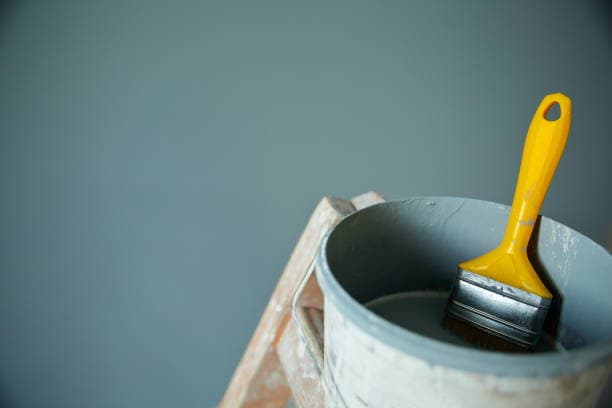
The Most Common Paint Brush Mistakes and How to Avoid Them

Meta Minds
Lead AI Researcher
Painting looks simple from a distance. Dip the brush, slap it on the wall, done. That’s what most people think, anyway. Then the streaks show up, the bristles fall out, edges look rough… and suddenly it’s not so simple. I’ve seen people blame the paint, blame the wall, blame everything except the tool in their hand. Truth is, half the problem starts with the brush itself. You’ll find tons of paint brushes for sale out there, but buying one and actually using it right are two very different things. Small mistakes stack up fast. And yeah, they ruin finishes quicker than you’d expect.
Choosing the Wrong Brush for the Job
This one’s everywhere. People grab whatever brush is closest, or cheapest, or looks “fine enough.” Doesn’t work like that. A soft bristle brush behaves completely different from a stiff one. Synthetic vs natural—same story. Use the wrong brush and you’ll fight it the whole time. Paint won’t spread evenly, lines show up, edges get messy. It’s frustrating. The fix isn’t complicated though. Match the brush to the paint. Water-based paints? Go synthetic. Oil-based? Natural bristles usually handle it better. Not exciting advice, but it saves a lot of headaches.
Not Prepping the Brush Before Painting
A dry, straight-out-of-the-package brush? Yeah, that’s asking for trouble. Loose bristles, uneven paint pickup, weird drag marks… all of it. People skip prep because it feels unnecessary. It’s not. At minimum, you should dampen the brush slightly before dipping it into paint. Not soaking wet—just a little moisture so the paint flows better. Also, give it a quick shake or comb with your fingers to get rid of loose hairs. Otherwise, guess where those hairs end up? Right there, stuck in your wall.
Overloading the Brush with Paint
More paint = faster work. Sounds logical. It’s wrong. Overloading is one of the fastest ways to ruin a clean finish. Paint drips, edges blob up, and control goes out the window. You only need to dip about a third of the bristle length into the paint. That’s it. Then tap off the excess lightly. Not scrape—tapping works better. It keeps the paint inside the brush where it belongs. You’ll get smoother strokes and way less mess. Simple change, big difference.
Using the Wrong Painting Technique
A lot of people just push paint around randomly. Long strokes, short strokes, back and forth like they’re scrubbing something. That’s how you get streaks. A brush isn’t meant to be forced. Let it glide a bit. Use steady strokes, keep a light hand, and don’t keep going over the same spot once it starts drying. That’s another mistake—overworking the paint. It starts to tack up and suddenly you’re dragging instead of spreading. That’s where those ugly marks come from.
Ignoring Brush Maintenance Mid-Project
Here’s something people don’t talk about enough. The brush changes as you use it. Paint builds up near the base of the bristles, it starts to stiffen, and performance drops. Slowly, but you notice it. If you’re working on a longer job, take breaks to rinse or at least clean out excess paint. Don’t just keep going for hours. That “I’ll deal with it later” mindset usually ends with a brush that’s basically trash by the end of the day.
Letting Paint Dry on the Brush
This one’s just… avoidable. And yet it happens all the time. Someone finishes a coat, gets distracted, comes back later, and the brush is stiff as a rock. Once paint dries deep into the bristles, it’s almost impossible to fully fix. You can try soaking it, using cleaners, whatever—but it’s never quite the same. Clean your brushes right after use. Not later. Not “after dinner.” Right then. Takes five minutes, saves you money.
Storing Brushes the Wrong Way
Even if you clean them properly, bad storage can mess things up. Tossing brushes into a drawer, crushing the bristles, letting them dry in weird shapes—it all adds up. Next time you use that brush, it won’t hold its form. Edges won’t be crisp anymore. Store them flat or hang them if you can. Keep the bristles straight. It’s not about being perfect, just… don’t abuse the tool.
Going Too Cheap (or Too Expensive Without Reason)
People either go bargain-bin cheap or overspend thinking price equals quality. Neither approach works every time. Cheap brushes shed, lose shape, and don’t hold paint well. But expensive brushes? Not always necessary either, especially for rough jobs or one-time use. There’s a middle ground. Know what the job needs. For quick, disposable work, something like a chip brush in bulk actually makes sense. You don’t need to baby it, and you can toss it when it’s done. For detailed work, though, spend a bit more. Balance matters.
Conclusion
Painting isn’t rocket science, but it’s also not as forgiving as people think. Most of the issues—streaks, uneven coats, wasted time—come down to small habits. Wrong brush, too much paint, poor cleaning, rushed technique. Nothing dramatic on its own, but together? They wreck the result. The good news is, all of this is fixable. You don’t need fancy tricks or expensive tools. Just a bit more awareness, maybe a little patience. Get the basics right, and suddenly painting feels a whole lot easier. And yeah, the finish actually looks like you knew what you were doing.