
JATCO J 7000 vs Traditional Emission Control Systems

Xylos AI team
AI Research & Editorial
Industrial emission control has changed a lot over the years. And honestly, it had to. Regulations are tighter now, environmental pressure keeps growing, and companies can’t really afford outdated systems that waste time, energy, and money. That’s where the jatco j 7000 starts standing out from older methods that many facilities still rely on.
A lot of traditional emission systems were built for a different time. They do the basics, sure. But many struggle with efficiency, maintenance costs, and handling volatile compounds properly. Especially when dealing with hydrocarbon vapors and hazardous emissions. Modern industries need something faster, cleaner, and more reliable.
The rise of advanced BTEX Elimination Systems has pushed companies to rethink how they manage air quality and vapor destruction. And in many cases, the old systems just can’t keep up anymore.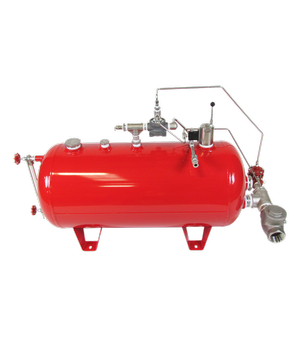
Understanding What the JATCO J 7000 Actually Does
The jatco j 7000 is designed specifically for handling harmful vapor emissions, particularly BTEX compounds — benzene, toluene, ethylbenzene, and xylene. These compounds are a serious issue in oil and gas operations, chemical plants, and industrial storage facilities.
Older systems often focus on controlling emissions after they’ve already spread through parts of the process. The J 7000 works differently. It targets vapor management with a more direct and controlled elimination process.
That matters because BTEX exposure is not just an environmental problem. It’s also a worker safety issue. Facilities today are under constant pressure to lower emissions while keeping operations efficient. The JATCO system was clearly built with that reality in mind.
And honestly, companies are tired of systems that constantly need repairs or eat through operational budgets.
Traditional Emission Control Systems Still Have Limitations
A lot of conventional emission control setups use flares, carbon adsorption units, or thermal oxidizers. These systems have been around for decades. Some still work fine in basic operations. But the problem is consistency.
Flares, for example, can waste energy and may not always destroy emissions completely under changing conditions. Carbon systems need replacement media regularly, which increases maintenance costs over time. Thermal oxidizers consume huge amounts of fuel in certain applications.
That’s where frustration starts for operators.
The maintenance downtime alone becomes expensive. Then add fuel usage, inspections, compliance concerns, and replacement parts. Suddenly the “cheaper” traditional system isn’t really cheaper anymore.
Many facilities now want systems that are smarter, cleaner, and less demanding on daily operations. That shift is exactly why modern BTEX Elimination Systems are getting more attention across industrial sectors.
Why BTEX Elimination Systems Are Becoming More Important
BTEX compounds are heavily regulated for good reason. Benzene especially is known for serious health risks. Regulators across the energy and industrial sectors are watching emissions more closely than before.
Companies can’t really ignore it now.
Modern BTEX Elimination Systems are designed to reduce these emissions more effectively while supporting environmental compliance goals. But beyond compliance, there’s another factor — reputation.
Industrial companies are increasingly judged by their environmental practices. Investors look at it. Communities look at it. Clients do too.
Using outdated emission technology sends the wrong message in many industries today.
The jatco j 7000 enters this space as a more advanced solution because it focuses not just on control, but on elimination efficiency and operational performance together. That balance matters.
Efficiency Differences Between JATCO J 7000 and Older Systems
One thing operators notice quickly is the operational efficiency gap.
Traditional systems often involve multiple process stages and ongoing manual adjustments. The JATCO setup is generally engineered for more streamlined vapor treatment. Less wasted energy. Fewer interruptions. More stable performance.
That can have a direct impact on operational costs over time.
Older thermal systems, for instance, may burn continuously even during lower vapor loads. That wastes fuel. Meanwhile, advanced vapor elimination technologies can adapt better to changing conditions.
Not every plant runs at full load every hour of the day. Real-world operations fluctuate constantly. Systems that can handle those fluctuations efficiently usually perform better financially too.
And let’s be honest. Industrial managers are under pressure to cut costs everywhere possible.
Maintenance Can Become a Major Problem With Traditional Systems
Maintenance doesn’t sound exciting. But it’s often the thing that determines whether an emission system becomes a long-term headache or not.
Traditional control systems frequently require regular servicing, media replacement, burner inspections, and ongoing calibration work. Downtime becomes part of the routine.
The jatco j 7000 is often viewed as a lower-maintenance alternative compared to older vapor treatment systems. That’s important because every hour of downtime affects production schedules and operating budgets.
Maintenance crews already have enough to deal with in most industrial facilities. Nobody wants another system constantly demanding attention.
And honestly, simpler operations usually lead to fewer mistakes too.
Environmental Compliance Is Getting Harder
This is probably one of the biggest reasons industries are moving away from older emission technology.
Environmental rules are getting stricter almost everywhere. Air quality regulations continue evolving, especially around volatile organic compounds and hazardous air pollutants.
Traditional systems that once met standards may now struggle to remain compliant without expensive upgrades.
That creates a difficult situation for plant operators. Upgrade old systems repeatedly or move toward newer technology entirely.
The jatco j 7000 aligns more closely with modern environmental control expectations because it was developed around today’s emission challenges rather than standards from twenty years ago.
That future-focused approach makes a difference.
Cost Comparison Isn’t Always What It Looks Like
At first glance, traditional systems can appear cheaper upfront. That’s usually the argument people make immediately.
But upfront pricing rarely tells the full story.
Fuel costs, maintenance expenses, replacement materials, labor, downtime, compliance penalties, and operational inefficiencies all add up over time. Sometimes fast.
A more advanced solution like the jatco j 7000 may involve higher initial investment depending on the setup, but many companies evaluate systems based on long-term operational value now instead of just installation cost.
That shift in thinking is happening across the oil and gas industry especially.
Companies are realizing that cheap systems often become expensive systems later.
Reliability Matters More Than Ever
Industrial operations cannot afford unreliable equipment. It sounds obvious, but reliability is everything in emission control.
If an emission system fails unexpectedly, operations can slow down or stop completely. Regulatory issues may follow. Safety concerns increase too.
Traditional systems sometimes struggle under variable operating conditions or extreme vapor loads. More modern BTEX Elimination Systems are generally engineered with better adaptability and performance stability.
The JATCO J 7000 is part of that newer generation of technology focused on operational reliability as much as environmental performance.
That combination is a big reason facilities continue exploring alternatives to older infrastructure.
The Industry Is Clearly Moving Toward Smarter Emission Solutions
There’s a noticeable shift happening across industrial sectors. Companies want systems that reduce emissions efficiently without becoming operational burdens.
Older emission technologies still exist, sure. Some facilities may continue using them for years. But the trend is pretty clear.
Industries are leaning toward cleaner, lower-maintenance, higher-efficiency systems that can meet modern environmental expectations while supporting long-term cost control.
The jatco j 7000 represents that transition well. It’s part of a broader move toward smarter industrial air quality management and more effective BTEX Elimination Systems.
And honestly, that shift was probably overdue.
FAQs
What industries commonly use the JATCO J 7000?
The jatco j 7000 is commonly used in oil and gas facilities, chemical processing plants, storage terminals, and other industrial environments where BTEX vapor emissions need effective control and elimination.
How are BTEX Elimination Systems different from older vapor control systems?
Modern BTEX Elimination Systems are generally designed for higher efficiency, better environmental compliance, and lower maintenance compared to older systems like flares or basic thermal oxidizers.
Does the JATCO J 7000 help with environmental compliance?
Yes, the system is designed to support facilities in reducing hazardous vapor emissions and meeting stricter environmental regulations related to volatile organic compounds and air quality standards.
Are traditional emission control systems becoming outdated?
Not completely, but many older systems struggle with modern efficiency expectations, operational costs, and changing environmental regulations. That’s why industries are increasingly moving toward newer technologies like the jatco j 7000.
Stay Ahead of the Curve
Join 12,000+ top strategists getting weekly human-curated editorial insights and deep-dives directly in their inbox.