How CNC Machining Supports Advanced Custom Fastener Manufacturing

Xylos AI team
AI Research & Editorial
If you’ve ever dealt with off-the-shelf fasteners that almost worked—but not quite—you already get the problem. Close doesn’t cut it in most real-world applications. That’s where a custom fastener manufacturer comes in, stepping beyond standard sizes and shapes to build exactly what the job demands. And honestly, without CNC machining, that level of precision just wouldn’t be practical. The short answer is this: CNC makes customization scalable, repeatable, and way less painful than it used to be. But there’s more going on under the surface than just “machines cutting metal.”
Why Standard Fasteners Fall Short
Let’s be real for a second. Standard fasteners are designed for mass use, not your specific project. They’re made to fit “most” situations, which means they’re almost always a compromise. Maybe the thread pitch is slightly off for your material, or the head shape doesn’t sit right in a tight assembly. These little mismatches add up. In industries like aerospace, medical devices, or even high-end automotive work, small issues turn into big failures. That’s why more engineers are turning to custom solutions instead of forcing a generic part to behave.
The Role of CNC Machining in Customization
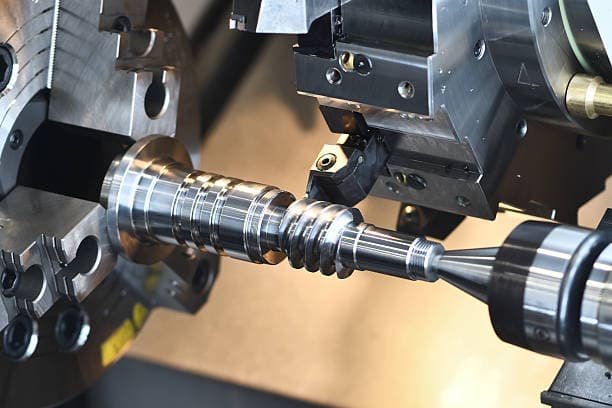
CNC machining changed the game, plain and simple. Before it, custom parts meant long lead times, inconsistent quality, and a lot of manual work. Now? You can design something highly specific and actually expect it to be produced the same way every time. CNC machines follow programmed instructions down to tiny tolerances, cutting, shaping, and finishing fasteners with accuracy that’s honestly kind of ridiculous when you think about it. And the best part—once the setup is dialed in, you can run small batches or scale up without starting from scratch.
Precision That Actually Matters
People throw around the word “precision” a lot, but here it’s not just marketing fluff. We’re talking about tolerances in microns. Threads that align perfectly every single time. Surfaces that don’t need extra finishing because they’re already clean coming off the machine. That level of control matters when fasteners are exposed to stress, vibration, heat… all the stuff that causes failure over time. A good custom fastener isn’t just shaped right; it performs right. And CNC machining is what makes that possible, consistently.
Handling Complex Designs Without the Headache
Here’s where things get interesting. Modern designs aren’t simple anymore. You’ve got hybrid materials, tight spaces, weird geometries. Trying to produce those with traditional methods? Painful. CNC systems, though, can handle complex shapes without breaking a sweat. Multi-axis machines can approach a part from different angles in one setup, which reduces errors and speeds things up. So instead of simplifying your design to match manufacturing limits, you can actually build what you intended. That’s a big shift.
Material Flexibility and Performance Gains
Not all fasteners are made from basic steel, and that’s a good thing. Depending on the application, you might need titanium, stainless alloys, brass, or even specialty composites. CNC machining doesn’t really care—it can work with a wide range of materials as long as the setup is right. This opens the door for better performance overall. Stronger fasteners, lighter assemblies, more resistance to corrosion or heat. And when you’re working with a skilled custom fastener manufacturer, they’ll guide those material choices based on actual use, not guesswork.
Where Swiss Screw Machining Fits In
Now, if you’re dealing with small, high-precision components, Swiss screw machining becomes a huge advantage. It’s built for producing tiny, complex parts with extreme accuracy, especially when tight tolerances are non-negotiable. The way the material is supported during machining reduces deflection, which means cleaner cuts and better consistency. It’s ideal for medical devices, electronics, and other applications where even a slight variation can mess things up. Not every project needs it, but when it does, there’s really no substitute.
Consistency, Speed, and Real-World Efficiency
Here’s something people don’t always think about—consistency isn’t just about quality; it’s about efficiency. When every fastener is identical, assembly becomes smoother. Fewer delays, fewer rejected parts, less frustration on the shop floor. CNC machining makes that consistency possible while also speeding up production timelines. You’re not waiting weeks for adjustments or dealing with unpredictable results. It’s faster, yes, but also more reliable. And in manufacturing, reliability is half the battle.
Conclusion
At the end of the day, CNC machining isn’t just a tool—it’s the backbone of modern custom fastener production. Swiss screw machining takes that precision even further, making it possible to produce complex, high-accuracy fasteners with exceptional consistency and efficiency. It allows manufacturers to move beyond limitations and actually meet the demands of today’s complex applications. From tight tolerances to advanced materials and intricate designs, it all comes together through precise, repeatable processes. Truth is, without CNC, custom fasteners would still exist… but they’d be slower, less consistent, and a lot more expensive to get right. And nobody really wants to go back to that.
Stay Ahead of the Curve
Join 12,000+ top strategists getting weekly human-curated editorial insights and deep-dives directly in their inbox.