
How Body Focused Repetitive Behaviors Affect Mental Health And Daily Life

Susan Armadale
Lead AI Researcher
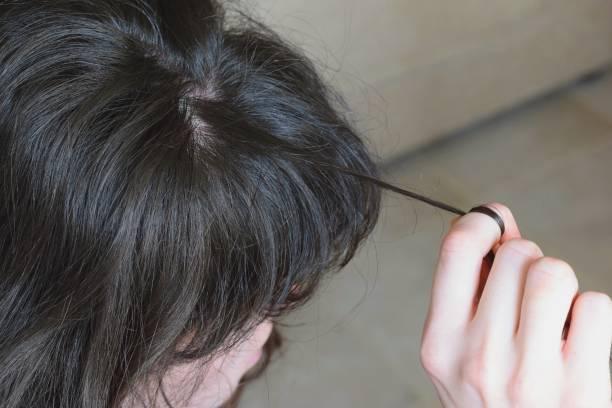
Strange habits like tugging hair or picking skin show up more than people notice. Not every odd routine means trouble, yet some repeat until it hurts. A name exists for these acts - Body Focused Repetitive Behaviors - though most just live with them quietly. Pulling, scratching, gnawing at nails - each follows a hidden rhythm. What looks small from outside might weigh heavy inside. Often, tension builds before the act begins, like an itch beneath thought. Stress fuels many episodes; so does stillness, oddly enough. The moment arrives without warning, driven by restlessness rather than choice. Relief comes briefly after, replaced again by regret. Quiet cycles form, looping behind closed doors. Midway through grasping such situations, experts often point out that Body Focused Repetitive Behaviours go beyond mere poor choices - they're tied deeply to how emotions are managed and how the brain reacts. Relief shows up briefly once someone acts, yet this reward keeps the cycle turning. Because doing it again feels familiar, stepping away grows tougher. Skin marks appear later; stress builds slowly; confidence slips without notice. Shame wraps around the act, so silence follows instead of reaching out. Seeing the mind's role helps some realize change is possible when help arrives from therapy or trained counselors.
Common Forms And Causes Of Body Focused Repetitive Behaviors
Body-focused repetitive habits come in many shapes. One person might pull their hair without meaning to - this is called trichotillomania. Another could pick at their skin over and over, bite nails, or chew lips. These actions seem separate but run on matching mental patterns. A rising pressure or feeling grows strong before acting. Relief shows up briefly once it's done. This loop grows stronger with repetition, making it harder to break free. When stress shows up, so does the urge - same with anxiety, restlessness, or just feeling off. A person might start plucking strands without noticing, especially when focused hard on a task. Skin picking often follows similar paths, rising during moments of inner unease. What begins as small acts ties into deeper routines over weeks. Spotting what sparks each episode helps shift how reactions unfold later. Awareness becomes part of the process, not the finish line. Sometimes a small shift in routine reveals what sets off repeated actions. A counselor might point out feelings tied to certain moments instead of others. That moment of tension often leads straight into familiar habits without warning. Seeing patterns clearly makes space to pause, just briefly. One person notices how loneliness creeps in during quiet evenings. Another connects picking with stressful sounds nearby. These realizations arrive quietly yet change responses over time. Awareness grows not by force but through observation. New reactions slowly replace old ones simply because alternatives exist now. The mind learns detours when pressure builds again.
The Emotional Toll Of Repeating Body Actions
Feelings tied to Body Focused Repetitive Behaviors sometimes weigh heavier than the visible signs. Frustration shows up first for plenty of folks, followed closely by shame or a quiet kind of awkwardness when trying to stop. As days pass, being hard on oneself might chip away at confidence while worry grows stronger. Since most do these things alone, hidden from others, it is easy to think nobody else knows what that's like. Truth is, lots of people wrestle with similar patterns - no matter how old they are or where they come from. Feelings tied to these habits might make things spin further out of control, since people often repeat actions trying to quiet inner discomfort. A short relief follows each act - yet it pulls emotions into heavier zones later on. Seeing how emotions link to repetitive body-focused acts opens eyes: help exists, and reaching out makes sense. Those trained in mind care push kindness toward oneself, along with clear seeing of personal patterns. Blame takes a back seat while understanding steps forward - as if these loops were simply tough spots in thinking that soften with steady guidance and consistent methods.
Ways To Address Body Focused Repetitive Behaviors
Thankfully, multiple proven methods exist to support people dealing with Body Focused Repetitive Behaviors. Because they work well, therapists often suggest behavior-based treatments focused on spotting urges before they turn into actions. Instead of reacting automatically, folks practice noticing physical or mental signals right when they start. When those signs show up, doing something different breaks the pattern just in time. For instance, switching habits through training helps catch small triggers others might miss. While one method builds new routines, another dives into thoughts and feelings tied to the behavior. Cognitive therapy looks closely at what drives the urge, not only the act itself. Step by step, people start seeing how what they think shapes how they react inside - which then affects what they do. A therapist guides them in picking up tools that soften worry, helping emotions feel more manageable. Over time, using these methods again and again, actions become less impulsive, more intentional. The work leans into noticing inner patterns, growing steadiness under pressure, swapping knee-jerk moves for choices that serve better outcomes. Steady effort, paired with professional care, allows those struggling with repetitive body-focused actions to see real shifts - fewer urges, clearer days.

Managing Awareness And Planning Ahead Over Time
Staying steady with Body Focused Repetitive Behaviours takes time, knowing yourself deeply, along with consistent care for your feelings. Some people find relief through practices that ground attention, helping pause the rush to respond when impulses arise. Tuning into emotions and bodily signals often reveals hidden patterns behind actions done without thought. Shifts in daily habits sometimes quietly reshape how these behaviours unfold over weeks or months. Good sleep, handling stress well, yet keeping a steady daily rhythm helps lessen feelings that spark repeated acts. What also matters is building spaces where talking about personal struggles feels safe. Encouragement comes through counselors, loved ones, even group connections offering steadiness during healing. Skills grow sharper with time, along with belief in one's ability to stay on track. Paying attention inward, standing strong emotionally, shifting actions slowly - these open paths forward. Progress happens, control returns, life reshapes around calmer choices.
Rising Attention To Body Focused Habits In Mental Health
Right now, folks pay closer attention to their minds, so names like Body Focused Repetitive Behaviours pop up more often. Because schools and media talk openly, shame fades a bit around these struggles. Therapists stress one thing clearly: it is not weakness showing up here - it is biology mixed with habit. When someone finds steady guidance, small steps build new routines that calm the urge cycle. Brains adapt when given clear tools, even after years of automatic picking or pulling. Scientists watch brain patterns closely, noticing shifts during therapy sessions. Each study adds texture to what was once misunderstood or ignored completely. More people now find tools and advice to support their path through healing, as understanding spreads. Seeing how Body Focused Repetitive Behaviors affect lives opens doors to kinder spaces - places where emotional struggles meet real responses. Help becomes possible when feelings and actions are seen together, not apart.
Conclusion
Struggling with Body Focused Repetitive Behaviours isn’t easy, yet progress often comes through consistent care paired with compassionate guidance. Because emotions run deep beneath each habit, recognizing inner patterns opens space for new ways to respond instead of repeat. Therapy that shapes thoughts while reshaping actions tends to stick - especially when it meets people where they are. Comfort matters just as much as technique; some find steady footing by working with in home therapy inside their own homes. Home-based care offers a relaxed way to stick with healing, letting people practice calm responses where life actually happens. Staying steady with support often leads to better routines, balanced feelings, later on peace that lasts. One step at a time, clarity grows when help fits into daily rhythm instead of fighting against it.

FAQ
Body Focused Repetitive Behaviors Explained
Starting small, some people tug at their hair when nerves rise. A shift happens - skin gets picked, not out of habit but quiet urgency. Nails go bitten down low during moments thick with tension. These moves repeat, stitched into daily life without warning. Driven by unease, they surface when feelings weigh too much. Each act follows an invisible pull, not choice.
Therapy and Body Focused Repetitive Behaviors
True enough, therapy that follows a clear plan helps people spot what sets off their actions. Awareness grows when patterns are examined closely. Instead of falling into old routines, new ways to respond take shape through practice. Repetitive habits lose grip once alternatives feel more natural.